Archives 2026

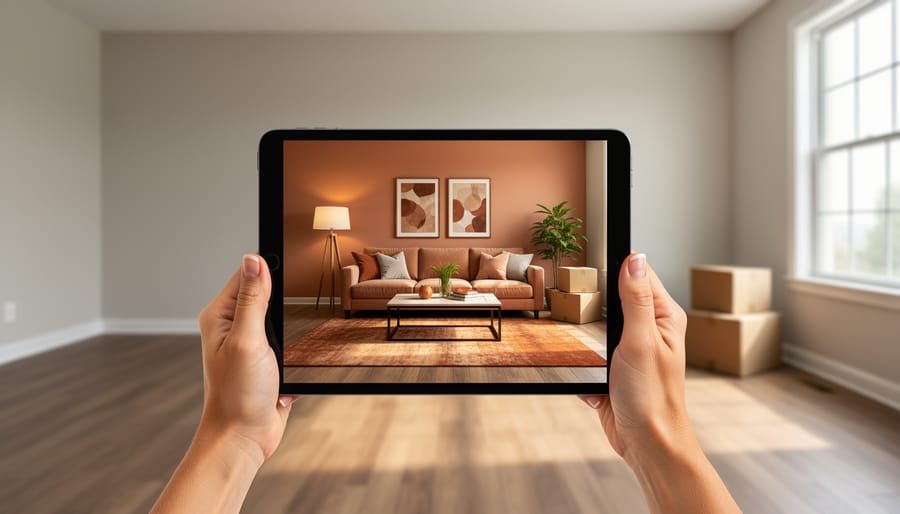
Tablet showing a digitally furnished living room held in front of the same room empty, with wood floors, neutral walls, a large window, and a few moving boxes in soft natural daylight.

Empty Rooms Are Costing You Money: Why Virtual Staging Wins Before Your Lease Ends

Facing the end of your fixed-term mortgage and wondering how to make your property shine for potential buyers without breaking the bank? Virtual home staging offers a brilliant solution that transforms empty or tenant-worn spaces into irresistible homes—all through digital magic. When you’re selling your property at end of fixed term mortgage, timing is everything, and traditional staging can eat into your budget with furniture rental, storage, and installation costs that quickly spiral.

Virtual staging changes the game completely. Professional designers digitally furnish your photos, creating warm, inviting spaces that help buyers envision themselves living there—without moving a single piece of furniture. This means no disruption to current tenants, no waiting for lease end to stage, and photos ready for your listing within days rather than weeks.

The best part? You’ll spend a fraction of traditional staging costs while still capturing that emotional connection buyers need to make competitive offers. Whether your property is sitting empty after tenants move out or you need marketing materials prepared before lease end, virtual staging lets you present your home at its absolute best. This approach perfectly suits the unique pressures of selling at a fixed-term transition—you need quick results, professional presentation, and cost control all working together to achieve the sale price your property deserves.

What Is End-of-Lease Virtual Home Staging?

Picture this: your tenant has just moved out, and you’re staring at rooms full of potential but completely empty. That’s where end-of-lease virtual home staging comes in, and it’s honestly a game-changer for property owners in your exact situation.

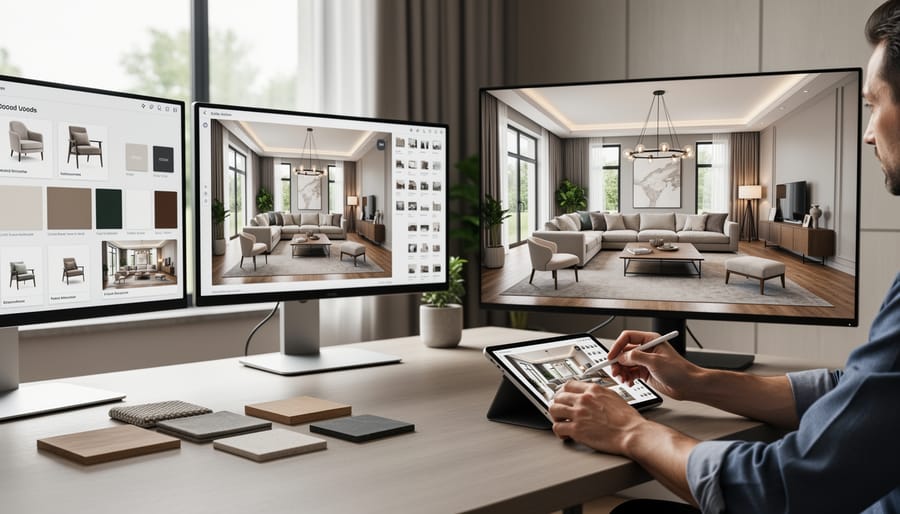
Virtual staging is a creative digital solution where professional designers take photos of your vacant rooms and use specialized software to furnish and decorate them beautifully. Think of it as Photoshop magic meets interior design expertise. Instead of hauling in physical furniture, paying monthly rental fees, and coordinating deliveries, everything happens digitally on your computer screen.

Here’s how it works in your specific scenario. Once your lease ends and the property is empty and cleaned, a photographer captures high-quality images of each room. These photos then go to virtual staging designers who digitally add furniture, artwork, rugs, lighting, and all those finishing touches that make a house feel like a home. The entire process typically takes just 24 to 72 hours, which means you can have marketing-ready images almost immediately after your tenant moves out.

The timing couldn’t be more perfect for your situation. That window between lease end and listing your property is ideal because you have complete access to the empty space for photography without coordinating around tenant schedules. Plus, there’s no risk of damage to rented furniture or awkward showings with staged items in the way.

The final digitally furnished images look incredibly realistic and showcase your property’s full potential to buyers browsing online listings. It’s an affordable, fast, and flexible way to make your vacant rental shine in a competitive market without the headaches of traditional staging.

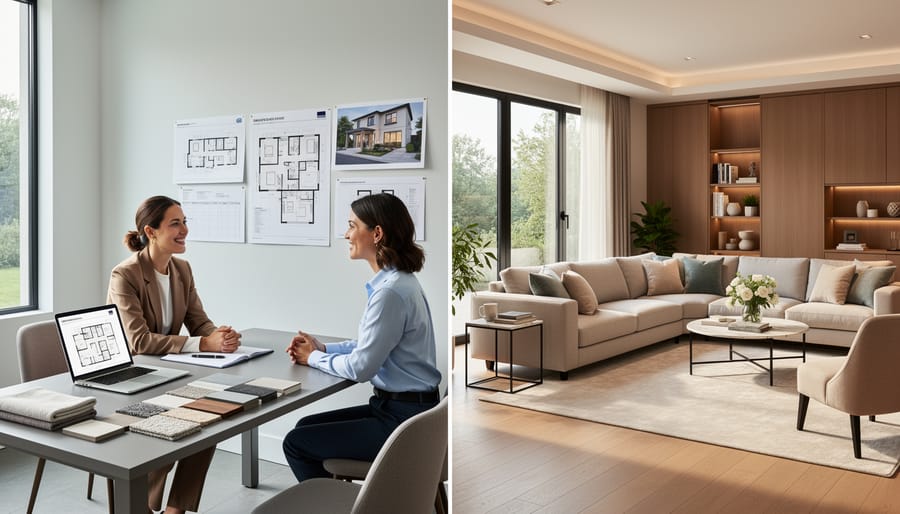
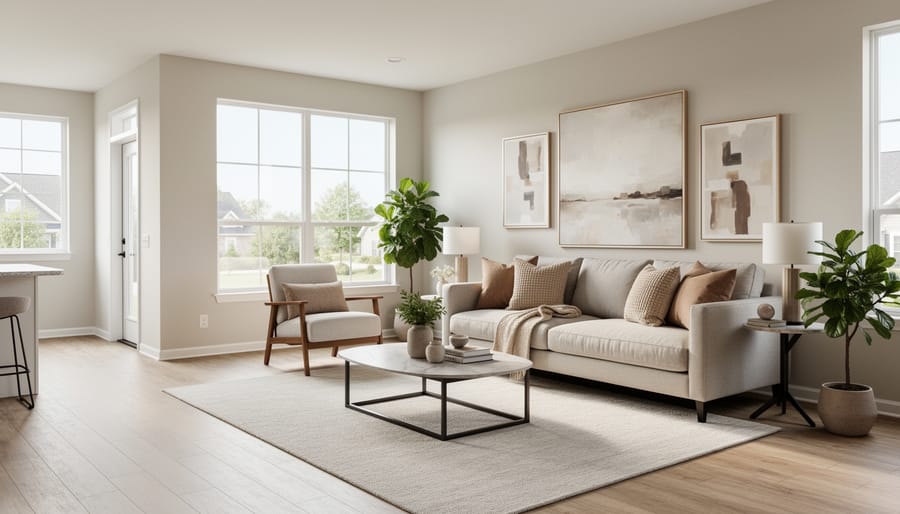
Side-by-side comparison of empty room versus same room with virtual staging showing modern furniture
Virtual staging transforms empty rental properties into inviting spaces that help potential buyers visualize the home’s potential without the cost of physical furniture.

The Real Problem with Selling Empty Rental Properties

Why Empty Rooms Make Buyers Walk Away

When potential buyers walk into an empty room, something surprising happens—their imagination shuts down rather than opens up. It’s counterintuitive, isn’t it? You’d think a blank canvas would inspire possibilities, but the reality is quite different.

Vacant spaces feel cold and unwelcoming. Without furniture to provide scale, rooms often appear smaller than they actually are, and buyers struggle to understand how spaces flow together. That odd corner? It just looks awkward when it’s empty, but with the right virtual staging, it becomes a cozy reading nook or stylish workspace.

Here’s the real challenge: buyers need emotional connection to make offers, and empty rooms simply don’t spark that feeling. They can’t envision their morning coffee routine in a kitchen without a table, or picture family movie nights in a living room that echoes with every footstep.

This emotional disconnect directly impacts your bottom line. Properties sit on the market longer, and buyers often make lower offers because they can’t see the potential. When you’re working with an end-of-lease timeline, every extra week on the market adds pressure. Virtual staging bridges this gap beautifully, giving buyers the context they need to fall in love with your space.

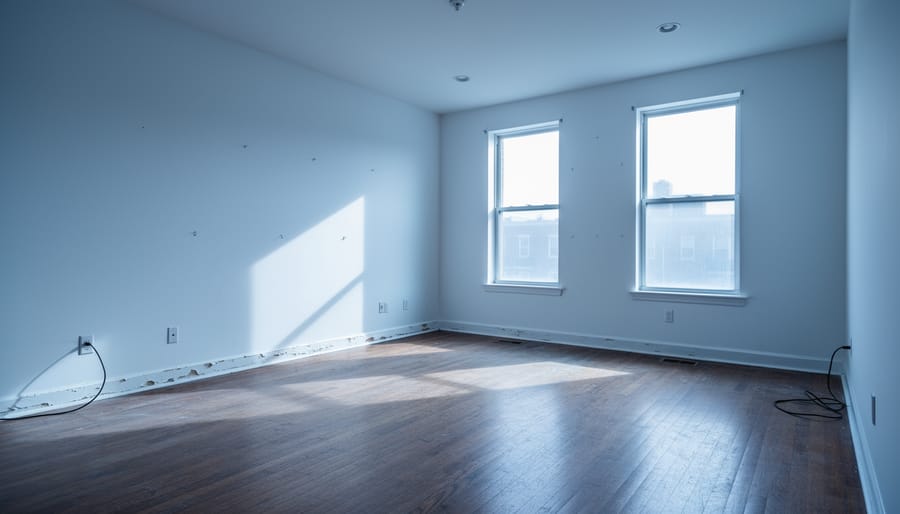
Empty vacant apartment living room with white walls and hardwood floors showing uninviting bare space
Empty rental properties at lease end often feel cold and uninviting, making it difficult for potential buyers to envision the space as their future home.

The Timing Advantage You Already Have

Here’s the perfect silver lining to your lease ending: you’ve got a completely empty space to work with. No coordinating schedules with tenants, no working around their furniture and belongings, and no awkward showings where potential buyers have to imagine past someone else’s lived-in clutter.

This timing creates an incredible opportunity that many sellers don’t even realize they have. An empty property is actually the ideal canvas for virtual staging. Your photographer can capture clean, unobstructed shots of every room, showing off the true space and natural light without distraction. These pristine images become the foundation for creating stunning virtually staged photos that help buyers instantly envision themselves living there.

Think of it this way: when your lease ends, you’re not just facing an empty property problem. You’re actually holding a blank slate advantage. Instead of rushing to find new tenants or selling a space that photographs like a sad, empty box, you can transform those vacant rooms into beautifully designed spaces that appeal to buyers’ emotions and help them see the full potential. The timing isn’t just convenient; it’s strategically perfect for showcasing your property at its absolute best.

How Virtual Staging Transforms Your Pre-Sale Strategy

The Money You’ll Save (And Where to Spend It Instead)

Let’s talk numbers, because this is where virtual staging really shines. Traditional physical staging typically costs between $2,000 and $6,000 per month, depending on your home’s size and location. That includes furniture rental, delivery, setup, and removal. If your lease ends and you need a quick turnaround, you’re still looking at a minimum month-long commitment.

Virtual staging, on the other hand, ranges from just $29 to $199 per room. For an entire three-bedroom home, you could spend around $400 to $600 total and have your professionally staged photos ready within days. That’s a savings of at least $1,400, even at the low end of physical staging costs.

Here’s the exciting part: that money you save can go toward things that actually increase your sale price. Consider putting those savings into minor repairs, a fresh coat of paint in neutral tones, or professional photography to capture your virtually staged spaces. These investments directly impact buyer perception while keeping your budget manageable. The return on investment speaks for itself when staged homes typically sell 73 percent faster and often at higher prices than unstaged properties.

Speed Matters When Your Lease Clock Is Ticking

Time is precious when you’re racing against a lease-end deadline, and here’s the good news: virtual staging moves at the speed you need. While traditional physical staging can take two to three weeks to schedule, coordinate furniture rental, and set up, virtual staging delivers results in just a few days—sometimes even 48 hours.

This rapid turnaround means you can list your property almost immediately after your tenant moves out, rather than watching valuable marketing days slip away. You’ll simply provide photos of your empty space, work with a designer to select the perfect furniture and décor style, and receive professionally staged images ready for your listing. No waiting for delivery trucks, no coordinating multiple vendors, and no last-minute scheduling headaches. For anyone feeling the pressure of that approaching lease-end date, this streamlined timeline transforms what could be a stressful rush into a manageable, efficient process that keeps your sale on track.

Show Different Styles to Different Buyers

Here’s the beauty of virtual staging—you’re not locked into just one look! When you’re selling at the end of a lease, you can’t physically redecorate multiple times, but virtual staging lets you showcase the same space in completely different ways. Think of it as giving potential buyers a personalized preview based on what they’re looking for.

Your designer can create several versions of the same room: maybe a modern minimalist living room for buyers who love clean lines, a cozy farmhouse kitchen for those seeking warmth, or even explore contemporary design styles for trend-focused buyers. This approach is especially helpful when styling specific spaces that could serve multiple purposes.

Your real estate agent can then share different versions with different buyer demographics, maximizing your property’s appeal across the board. It’s like having multiple show homes without the expense or hassle—just smart, flexible marketing that speaks directly to what each buyer envisions for their future home.

What the Virtual Staging Process Actually Looks Like

Getting Your Space Photo-Ready

Before your photographer arrives, you’ll want your empty space looking its absolute best—think of it as creating the perfect blank canvas. Start with a thorough deep clean, paying special attention to windows, floors, and baseboards. Natural light is your best friend here, so open all curtains and blinds to flood rooms with sunshine. If your property has dingy walls or outdated paint, consider a fresh coat in neutral tones; proper color choices can dramatically improve how spaces photograph.

Check every light bulb and replace any that are burnt out—well-lit rooms photograph beautifully and feel more inviting. Remove any personal items, clutter, or leftover moving boxes that might distract from the space itself. Small details matter too: wipe down light switches, clean air vents, and ensure all doors open smoothly.

Don’t worry if the space feels sterile or cold at this stage—that’s exactly what you want! Virtual staging will add all the warmth and personality later. Your goal is simply providing clean, bright, well-maintained spaces that showcase the property’s true potential and give your staging professional the best foundation to work with.

Working with Your Designer on the Vision

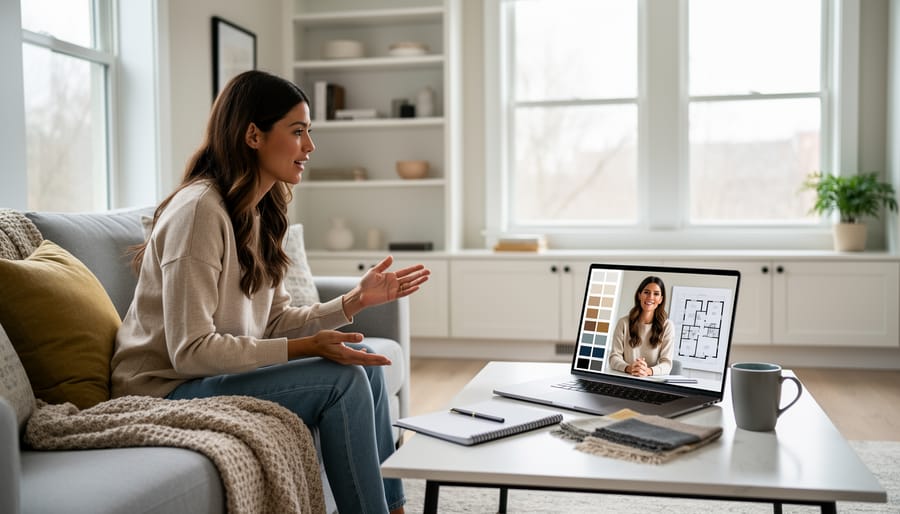
Working with a virtual staging designer is easier than you might think, and it all starts with a simple conversation about who you’re trying to reach. During your initial virtual consultation, you’ll chat with your design team about your property’s best features and, most importantly, who your ideal buyer is. Are you targeting young professionals looking for their first home? Growing families needing space? Downsizers seeking low-maintenance living? This matters because your designer will create a vision that speaks directly to that buyer’s lifestyle and dreams.

Don’t worry if you’re not sure how to articulate your target market. Your design team will ask helpful questions about your property’s location, price point, and neighborhood vibe to guide the conversation. They might ask about nearby amenities, school districts, or local attractions to better understand who naturally gravitates to your area.

Be ready to share photos of your empty space from multiple angles, and feel free to voice any ideas or concerns you have. Maybe you’ve noticed similar properties in your building that sold quickly, or perhaps you have thoughts about what style feels right. Your insights are valuable! This is a true collaboration, not a one-sided process.

The beauty of virtual staging is that you can request revisions if something doesn’t feel quite right. Your designer wants to nail the vision just as much as you do, so open communication throughout the process ensures you’ll end up with images that make buyers stop scrolling and start scheduling viewings.

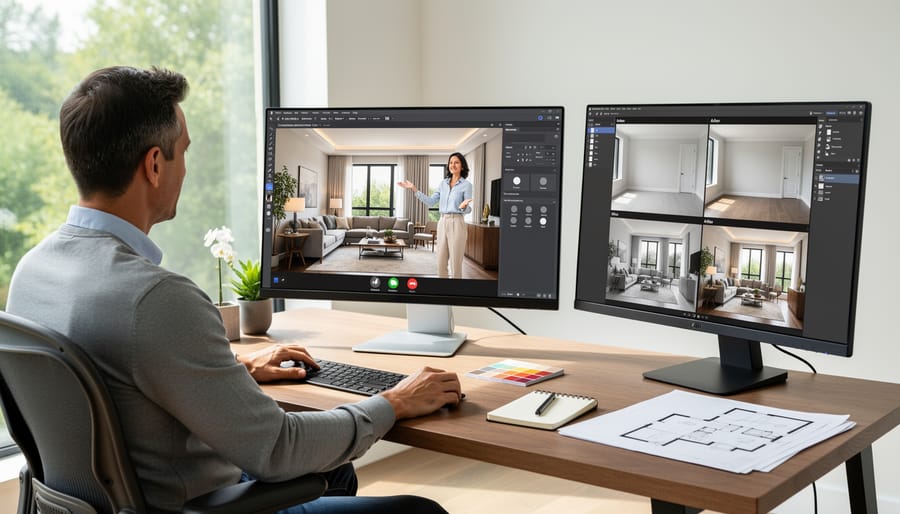
Property owner reviewing virtual staging designs on laptop computer at home
The virtual staging process is straightforward and collaborative, allowing property owners to work with designers remotely to create the perfect look for their target buyers.

Making Virtual Staging Work for Your Property Type

Small Spaces Need Different Staging Strategies

When you’re dealing with a compact apartment or cozy condo, virtual staging becomes your secret weapon for making every square foot count! The beauty of digital staging for smaller spaces is that you can showcase clever furniture placement without the physical limitations of actually moving pieces around.

Start by choosing appropriately scaled furniture in your virtual staging. Oversized sofas or bulky dining sets can make a small room feel cramped, even digitally. Instead, opt for streamlined pieces that show off the functionality of the space without overwhelming it. Think sleek armchairs instead of massive sectionals, and consider floating furniture away from walls to create better flow.

Light, neutral colors work wonders in compact areas, helping rooms feel more open and airy. Virtual staging lets you experiment with different color palettes instantly, so you can find that perfect balance between personality and spaciousness.

Don’t forget those design details that add character without clutter. A well-placed mirror, strategically staged lighting, or a single statement piece can transform the entire vibe. If you’re looking for more inspiration on decorating smaller spaces, remember that virtual staging gives you unlimited do-overs to get it just right!

Investment Properties Deserve Love Too

If you own investment properties, virtual staging becomes even more brilliant from a financial standpoint. Think about it: you’re already in the business of maximizing returns and minimizing expenses, right? Virtual staging fits perfectly into that strategy.

With investment properties, you’re likely juggling multiple units or planning your next purchase. Traditional staging costs can quickly eat into your profit margins, especially when you’re staging between tenants. Virtual staging lets you present each property beautifully for a fraction of the cost, typically ranging from $30 to $150 per room compared to thousands for physical staging.

Here’s a smart approach for investment properties: create a library of virtually staged images that showcase each property’s potential. These can be reused across different marketing platforms and even repurposed if the property comes back on the market later. You’re essentially creating marketing assets that keep working for you.

The beauty is that potential buyers can see themselves living there without any confusion about whether furniture stays or goes. Everything’s clearly digital, which actually simplifies the transaction. Plus, you can stage quickly between lease end and listing, keeping your property’s vacancy period wonderfully short. Time is money in real estate investing, and virtual staging respects both.

Common Mistakes to Avoid with Virtual Staging

While virtual staging offers incredible potential for end-of-lease properties, there are a few common pitfalls worth avoiding to ensure you get the best results and maintain trust with potential buyers.

The biggest mistake? Going overboard with the staging. It’s tempting to create that magazine-worthy look, but remember—the goal is to help buyers visualize living in the space, not to create unrealistic expectations. If you virtually stage a modest rental with luxury furniture and high-end finishes that don’t match the property’s actual value, you’ll likely disappoint viewers when they arrive for inspections. Keep it authentic to your property’s price point and character.

Another misstep is choosing styles that clash with the property type. A sleek, ultra-modern setup might look gorgeous in your head, but if you’re selling a charming cottage-style home, that disconnect will feel jarring to buyers. The virtual furniture and décor should enhance what’s already there, not fight against the property’s natural personality.

Image quality matters more than you might think. Blurry photos or poorly lit rooms won’t do your virtually staged furniture any favors. Even the most beautiful virtual staging can’t rescue a low-quality base image, so invest time in capturing bright, clear, well-composed photographs before staging begins.

Here’s the non-negotiable: always disclose that images are virtually staged. This isn’t just ethical—it’s often legally required. A simple note like “Images digitally staged” in your listings protects everyone involved and maintains buyer trust. Transparency actually works in your favor, showing you’re tech-savvy and honest about the property’s current condition while helping them see its potential. This straightforward approach keeps the process positive and builds confidence rather than creating disappointment.

As your lease draws to a close and you’re preparing to sell, virtual staging offers a smart, budget-friendly way to showcase your property’s full potential without the stress of traditional staging logistics. You’re already juggling the timing of lease end and property sale—why add the complexity of moving furniture in and out? With virtual staging, you get professional design expertise that transforms empty or outdated spaces into inviting homes that buyers can instantly envision themselves living in.

The beauty of this approach is that it works with your timeline, not against it. You can stage multiple rooms for less than the cost of renting furniture for even one space, and the entire process happens digitally, meaning no coordination headaches with movers or concerns about damage to your property. Plus, you’ll have market-ready listing photos in days, not weeks.

Ready to see what virtual staging can do for your property? The process is simpler than you might think, and professional design help is more accessible than ever. You don’t need a massive budget or complicated arrangements to present your home beautifully. Take that next step and explore how virtual staging can help you sell faster and more profitably as your lease comes to an end. Your future buyer is out there, and great design will help them find you.

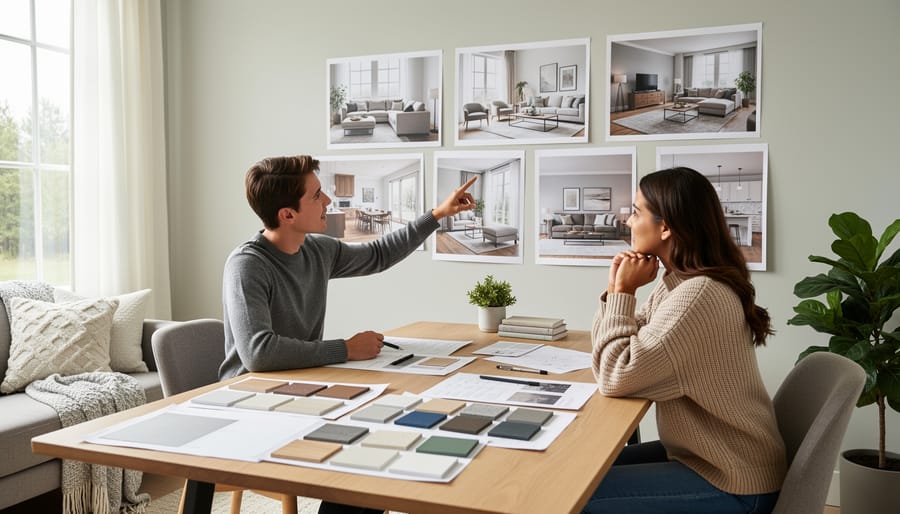
Color consultant holding large paint sample boards and a fan deck against a living room wall near a big window under overcast daylight, with blurred sofa, wood floors, cabinetry, and a faint Calgary skyline visible outside

Why Your Calgary Paint Color Is Wrong (And How to Fix It Before You Paint)

Staring at endless paint chips hoping your beige won’t turn pink is a special kind of torture most homeowners know too well. If you’ve ever repainted a room twice because the color looked completely different on the walls, you’re not alone—and you don’t have to gamble with expensive paint mistakes again. A professional Imageline Painting calgary color consultant removes the guesswork by analyzing your lighting, existing furnishings, and personal style to create a cohesive color palette that actually works in your space. These experts understand how natural light shifts throughout the day, how undertones interact with your flooring and cabinetry, and which finishes will make your rooms feel larger or cozier. Rather than spending weeks second-guessing yourself at the paint store, a consultation typically takes just one to two hours and can save you hundreds in paint do-overs while giving you confidence in your choices. Whether you’re refreshing one accent wall or transforming your entire home, professional color guidance turns an overwhelming decision into an exciting, streamlined process that delivers results you’ll love for years.

What Makes Choosing Paint Colors So Tricky in Calgary

If you’ve ever picked a paint color that looked perfect in the store but completely wrong on your walls, you’re not imagining things. Calgary presents some genuinely unique challenges that make color selection trickier than in many other cities.

First, there’s our famously unpredictable weather. One moment you’re bathed in brilliant sunshine, the next you’re under heavy cloud cover. This constant shift affects how colors appear throughout the day. That warm beige you loved on a sunny afternoon might look drab and gray during our overcast winter days. It’s not just about seasonal changes either – Calgary can experience dramatic light variations within a single day, making it difficult to predict how a color will truly perform in your space.

Our altitude also plays a surprising role. At over 1,000 meters above sea level, Calgary’s thinner atmosphere means sunlight is more intense and has different qualities than at lower elevations. Colors can appear brighter and more vibrant here, which is wonderful for some shades but can make others feel overwhelming or harsh.

Then there’s the distinctive prairie light. Unlike coastal regions with softer, diffused light, or forested areas where light filters through trees, Calgary’s wide-open skies create a unique quality of illumination. The expansive horizon means we get gorgeous, low-angle light that can dramatically change how paint colors read on your walls, especially in rooms with southern or western exposure.

These regional design considerations aren’t something you’ll find mentioned on standard paint color cards. Understanding how Calgary’s specific environment affects color is essential for making choices you’ll love long-term, which is exactly where professional guidance becomes invaluable.

Paint color swatches on wall in Calgary home with natural prairie sunlight
Calgary’s unique prairie light and variable weather conditions significantly impact how paint colors appear on your walls throughout the day.

What Actually Happens During a Paint Color Consultation

Virtual vs. In-Person Consultations

When you’re exploring paint color consultation options in Calgary, you’ll likely encounter both in-person and virtual services, and honestly, both have their unique advantages! In-person consultations offer that hands-on experience where your consultant can see your space in natural lighting, feel the textures, and walk through your home with you. It’s wonderfully collaborative and immediate.

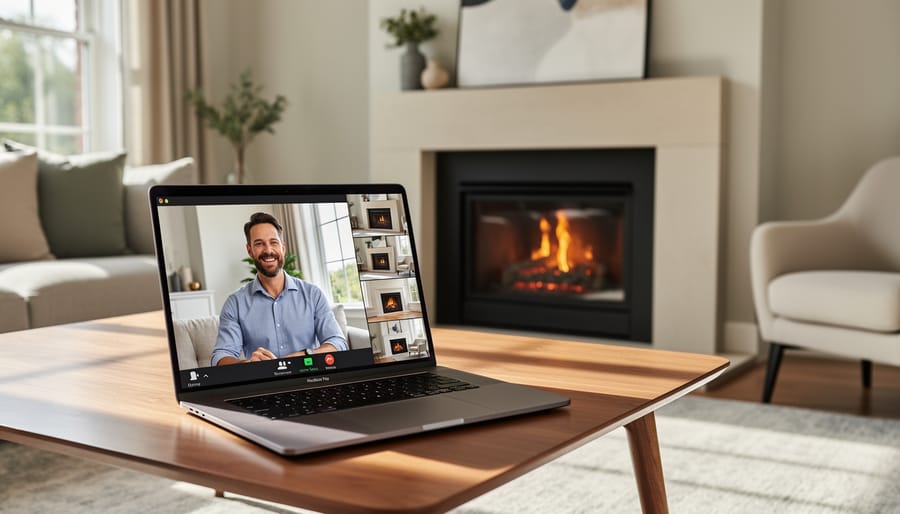
However, virtual consultations have become surprisingly effective and offer some pretty fantastic benefits. They’re typically more affordable since there’s no travel time involved, and scheduling is incredibly flexible. You can connect with your consultant from the comfort of your couch, which is perfect if you have a busy schedule or mobility concerns. Modern technology has truly transformed how we work remotely. Through detailed photo analysis, video calls, and digital tools, consultants can accurately assess your space, lighting conditions, and existing elements. You’ll simply take photos following your consultant’s guidelines, share paint samples digitally, and receive personalized recommendations with visual mockups. Many Calgary homeowners are surprised by how thorough and accurate virtual consultations can be, plus you’ll have everything documented digitally for easy reference during your painting project. The key is choosing a consultant experienced in virtual assessments who uses professional-grade digital tools.

How Designers Test Colors in Your Space

Professional color consultants take the guesswork out of choosing paint by using tried-and-true testing methods. Here’s what you can expect when working with a designer.

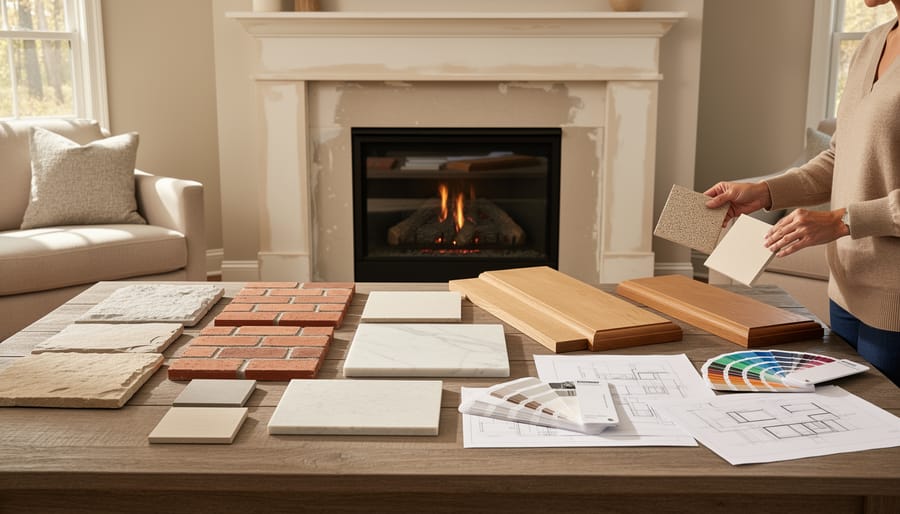
First, they’ll skip those tiny paint chips (which can be super misleading!) and recommend large sample boards instead. These poster-sized samples give you a much more accurate preview of how a color will actually look on your walls. Your consultant will help you position these samples in different areas of the room you’re painting.

Lighting makes all the difference, so designers will ask you to observe your samples throughout the day. That beautiful blue might look completely different in morning sunlight versus evening lamplight! They’ll guide you to check colors in north-facing rooms (which tend to be cooler and darker) versus south-facing spaces (typically warmer and brighter).

Many consultants, especially those offering virtual services, use innovative approaches like digital visualization tools. This lets you preview colors in your actual space using photos, which is incredibly helpful for making confident decisions. They’ll also consider how colors flow from room to room, ensuring your whole home feels cohesive and intentional. This professional approach saves you from costly repainting mistakes and helps you land on colors you’ll genuinely love.

Color consultant testing paint samples on wall during in-home consultation
A professional color consultant evaluates paint samples directly in your space, considering lighting conditions and existing decor.

The Real Cost of Getting Paint Colors Wrong

Let’s talk about something that happens more often than you’d think—the paint color oops moment. You know the one: you spend $200 on premium paint, invest your entire weekend rolling it on, step back and… your stomach drops. That “perfect beige” now looks like baby food. That “calming blue” feels like a doctor’s office waiting room.

Here’s the real financial hit. Quality paint runs $50-80 per gallon, and most rooms need two coats and multiple gallons. Add another weekend of your precious time, plus the emotional toll of living with walls you absolutely hate while you work up the energy to fix them. Many Calgary homeowners tell us they’ve repainted rooms two or three times before getting it right. That’s potentially $500-1000 down the drain, not to mention the frustration that comes with every glance at those regrettable walls.

The DIY guessing game comes with hidden costs too. There’s the mental exhaustion of endless paint chip comparisons under fluorescent store lighting that bears zero resemblance to your home’s natural light. There’s relationship tension when partners can’t agree. And there’s that nagging feeling that you’re about to make an expensive mistake—because statistics show about 40% of people regret their paint choices within the first year.

A paint color consultation typically costs a fraction of one repainting job, and it gets the color right the first time. Think of it as insurance for your investment—and your sanity. When you consider what you’re actually saving, professional guidance isn’t an expense; it’s one of the smartest investments in your home project.

Beautifully painted modern Calgary interior with professionally selected color palette
Professional color consultation results in cohesive, beautiful spaces that work perfectly with Calgary’s unique lighting conditions.

Who Actually Benefits from Paint Color Consultation

If you’ve ever stood in the paint aisle staring at dozens of white samples wondering what the difference really is, paint color consultation is definitely for you. First-time homeowners especially benefit from professional guidance when making decisions that will affect how you feel in your space every single day. There’s no shame in wanting to get it right the first time instead of repainting six months later.

Anyone living in an open concept home can really use expert help. When your kitchen flows into your dining and living areas, choosing colors that work together throughout gets tricky fast. A consultant helps create that seamless flow without making everything feel monotonous or disconnected.

If you’ve made color mistakes before, you already know the frustration and expense of fixing them. Maybe that trendy gray turned purple in your lighting, or that cheerful yellow made your bedroom feel chaotic instead of happy. A consultation prevents those expensive do-overs.

Renters benefit too, especially when working with existing elements you can’t change. A professional can show you how to work with that builder-grade honey oak or coordinate with fixed features like countertops and flooring.

Anyone who feels paralyzed by choice needs this service. When scrolling through Pinterest gives you more anxiety than inspiration, having someone translate your vision into actual paint selections makes the whole process enjoyable again. Whether you’re considering bold color choices or seeking the perfect neutral, consultation removes the guesswork and gives you confidence in your decisions.

How to Choose the Right Color Consultant for Your Calgary Project

Questions to Ask Before Booking

Before you commit to a paint color consultant, ask some key questions to ensure they’re the right fit for your project. Start with their Calgary-specific experience: “How familiar are you with Calgary’s unique lighting conditions?” Our city’s bright, high-altitude sunshine can make colors appear quite different than in other regions, so you want someone who understands this.

Ask about their consultation process: “What’s included in your service, and how long does it take?” Find out if they’ll visit your home (or work virtually), how many color options they’ll provide, and whether they’ll show you samples in different lighting conditions throughout the day.

Clarify their revision policy upfront: “What happens if I’m not happy with the initial recommendations?” A good consultant should be willing to refine their suggestions until you’re confident in your choices.

Don’t shy away from discussing budget: “What’s your pricing structure, and what value will I receive?” Some consultants charge flat fees, while others bill hourly. Understanding exactly what you’re paying for helps you make an informed decision and ensures there are no surprises down the road. These questions will help you find a consultant who truly understands your vision and Calgary’s unique design landscape.

Making Your Consultation Work with Calgary Painting Services

Getting the most from your color consultation means thinking about timing and coordination with your painting team. Ideally, schedule your consultation before you hire painters or purchase any supplies. This gives you time to absorb the recommendations, test samples, and make confident decisions without feeling rushed.

When you’ve selected your colors, clear communication with your painting crew makes all the difference. Share your color consultant’s notes and recommendations directly with the painters, including specific paint names, finish types, and any special instructions about accent walls or color blocking. Many consultants provide detailed specification sheets that make this handoff seamless.

Don’t hesitate to loop your consultant back in if questions arise during the painting process. Sometimes colors look different once they’re actually on the walls, and having that professional guidance available helps you troubleshoot any concerns before the entire room is complete. Ask your painters to complete one full wall first so you can evaluate the color in different lighting conditions.

If you’re working with a virtual consultant, take plenty of photos during the painting process and share them for feedback. This ongoing connection ensures your vision translates accurately from concept to reality. Remember, the consultation isn’t just a one-time conversation—it’s an investment in getting your paint project right, and most consultants genuinely want to see your space turn out beautifully. Their expertise bridges the gap between selecting colors and achieving that gorgeous finished look you’re dreaming of.

Choosing paint colors doesn’t have to feel like a guessing game with expensive consequences. If you’ve been staring at paint chips for weeks or worrying you’ll make the wrong choice, you’re not alone, and you definitely don’t have to figure it all out by yourself. Professional color consultation takes the stress out of the decision-making process and helps you feel confident about your selections before you ever open a paint can.

Think of it as having a knowledgeable friend who understands how colors work together, how lighting affects your choices, and what will actually look amazing in your specific space. Whether you’re tackling one accent wall or refreshing your entire home, professional guidance can save you time, money, and those dreaded “what was I thinking?” moments.

Ready to stop second-guessing your color choices? A personalized paint color consultation, whether in-person or virtual, might be exactly what you need to move forward with confidence and create a space you’ll genuinely love coming home to.

Eye-level wide shot of a modern home office with dark blue-green walls, a green felt desk pad, dual monitors with soft backlighting, an ergonomic chair, and warm wood desk, with blurred shelves, plant, and acoustic panels in the background.

Why Your Home Office Deserves the Same Design Magic as a High-Stakes Poker Room

Study the meticulously crafted interfaces of Moonbet games and professional online poker platforms, and you’ll discover a goldmine of design principles that transform ordinary home offices into focus-enhancing workspaces. These digital environments are engineered with surgical precision to maintain user engagement for hours, minimize distractions, and create psychological comfort—exactly what you need when working from home.

Professional poker room designers obsess over color psychology, using deep greens and blues to reduce eye strain during extended screen time. They position interface elements to create natural eye flow, eliminating the constant visual searching that causes fatigue. Lighting schemes are calibrated to maintain alertness without harshness, and every visual element serves a specific purpose with zero clutter.

These same strategies translate beautifully into your home workspace. The critical difference? While casino designers aim to keep players engaged indefinitely, you can adapt these techniques to boost your productivity and comfort during work hours. The strategic use of ambient lighting, carefully selected accent colors, and intentional furniture placement can replicate that immersive, distraction-free environment professional platforms spend millions perfecting.

This isn’t about transforming your spare bedroom into a casino. It’s about borrowing battle-tested design principles from an industry that understands human psychology, visual comfort, and sustained focus better than most. Whether you’re video conferencing, coding, or managing spreadsheets, these professional-grade strategies work without requiring a professional-grade budget.

What Makes Online Poker Room Design So Special?

The Psychology Behind the Setup

Professional poker players understand something crucial: your environment directly impacts your mental stamina and decision-making ability. When you’re sitting at a screen for eight to twelve hours, every detail matters. The same principles that guide gaming lounge design can transform your home workspace into a productivity powerhouse.

Think about it this way: poker pros eliminate distractions because a single moment of lost focus can cost thousands. They position monitors at specific angles to reduce eye strain and maintain alertness. They choose lighting that keeps them energized without causing headaches. These aren’t luxury considerations, they’re performance necessities.

The psychology here applies to anyone working from home. Your brain craves consistency and comfort. When you create a dedicated space that supports concentration, you’re essentially training yourself to enter “work mode” the moment you sit down. This is why poker players invest in ergonomic chairs, maintain specific room temperatures, and control ambient noise levels.

You don’t need a professional setup to benefit from these insights. Start by identifying what drains your energy during long work sessions. Is it glare on your screen? An uncomfortable chair? Random household noise? Address these systematically, just like a poker pro would. Your workspace should support your goals, not work against them.

Lighting That Keeps You Sharp for Hours

Layer Your Light Like a Pro

Think of lighting like building the perfect playlist – you need different tracks working together to create the right vibe! For your poker room setup, you’ll want three distinct layers working in harmony.

Start with ambient lighting as your foundation. This is your overall room brightness – think ceiling fixtures or recessed lights with dimmer switches. Keep it soft and even to reduce eye strain during those marathon sessions. Around 300-500 lumens works beautifully for most spaces.

Next, add task lighting directly at your workspace. A quality desk lamp positioned to eliminate screen glare is essential. Position it to the side of your monitor rather than behind it, and aim for adjustable options so you can redirect light as needed throughout the day.

Finally, accent lighting brings personality and reduces harsh contrasts. LED strips behind your monitor create a gentle glow that eases eye fatigue, while a small lamp in the corner adds depth to your space. This layered approach mimics what professional gaming setups use – and there’s a reason those spaces feel so comfortable for extended play.

The beauty of this system? You can customize each layer independently, adjusting brightness based on time of day or how you’re feeling. It’s like having a personal lighting designer at your fingertips!

Modern home office with multiple lighting layers including desk lamp, floor lamp, and natural window light
Layered lighting combining natural and artificial sources creates an optimal environment for extended screen work without eye strain.

Screen Glare Solutions That Actually Work

Let’s tackle that pesky screen glare together! The key is all about positioning and layering your lighting smartly. Start by placing your monitor perpendicular to windows rather than directly facing or backing them. This simple switch prevents harsh natural light from bouncing off your screen or creating backlit situations that strain your eyes during those marathon gaming sessions.

For artificial lighting, think indirect and diffused. Position your desk lamp behind or to the side of your monitor, angled away from the screen. Consider adding a bias light – that’s a soft LED strip mounted behind your monitor – which reduces eye fatigue by balancing the brightness between your screen and surroundings. It’s a game-changer that professional poker players swear by!

Window treatments are your friends here. Adjustable options like sheer curtains or blinds give you control throughout the day as natural light changes. If you’re working with a space that has unavoidable glare issues, an anti-glare screen protector is an affordable fix that makes a real difference. Remember, your eyes shouldn’t feel tired after an hour at your screen – that’s your signal to reassess your lighting setup and make adjustments!

Furniture Choices That Support Marathon Sessions

The Chair That Changes Everything

Here’s the truth about chairs: you can have the most beautiful poker room setup, but if your chair isn’t right, you won’t last more than an hour before everything starts aching. Professional online poker players know this intimately because they’re sitting for marathon sessions, and we can learn so much from their choices.

The magic number you need to remember? Four to six hours of comfortable sitting. That’s your baseline goal. Look for chairs with adjustable lumbar support, not just a curved backrest. Your lower back should feel actively supported, like someone’s gently pressing against it. Armrests matter too, and they should be adjustable in height so your shoulders can relax naturally while your hands work.

Budget-wise, you don’t need to spend a fortune. Quality ergonomic chairs start around 150 to 250 dollars, which feels like a lot until you realize you’re investing in your health. Check office liquidation sales or refurbished options from reputable brands. Gaming chairs look cool, but honestly, a good office task chair often provides better support for the price.

The features that genuinely matter? Seat depth adjustment (so your thighs aren’t cutting off circulation), breathable fabric or mesh (because nobody wants to stick to their chair), and a solid base with smooth-rolling casters. Skip the fancy extras like built-in speakers or LED lights. They’re fun but won’t make those long sessions any more comfortable. Your body will thank you for prioritizing substance over style here.

Ergonomic office chair and height-adjustable desk with dual monitors at proper eye level
Ergonomic furniture including a quality chair and properly positioned monitors forms the foundation of a workspace designed for marathon work sessions.

Desk Setup for Screen-Heavy Work

Getting your desk setup right is absolutely essential when you’re spending hours at your screen, whether you’re grinding poker sessions or tackling any screen-heavy work. Let’s talk about creating a workspace that keeps you comfortable and focused without the aches and pains.

First up, desk height matters more than you might think. Your elbows should rest at roughly 90 degrees when your hands are on your keyboard or mouse. For most people, that means a desk height between 28 and 30 inches. If your current desk doesn’t quite work, an adjustable desk can be a game-changer, letting you find that sweet spot or even switch to standing during longer sessions.

Monitor positioning is your next focus area. Your screen should sit about an arm’s length away, with the top of the monitor at or slightly below eye level. This prevents that dreaded neck strain from constantly looking up or down. If you’re using a laptop, consider getting a separate monitor or a laptop stand paired with an external keyboard. Many serious online poker players actually use multiple monitors, and this same setup works beautifully for anyone multitasking between different programs.

For workspace layout, keep everything you need regularly within easy reach to avoid constant stretching or twisting. Your mouse and keyboard should be close enough that your shoulders stay relaxed, not hunched forward. Think about cable management too because a tidy space genuinely helps you think more clearly and reduces visual clutter that can distract you during critical moments.

Color Psychology and Atmosphere Control

Colors That Keep You Calm and Focused

When it comes to creating a calm environment for your home poker room or focused workspace, color choices make all the difference. Think of soft, muted blues and greens as your foundation—these shades naturally lower stress levels and help maintain concentration during long sessions. Pairing cool tones with warm neutrals like soft taupe or warm gray prevents that clinical, sterile feeling while keeping the atmosphere professional.

Consider a sage green accent wall combined with creamy beige surroundings, or try a gentle slate blue with warm wood tones for balance. These combinations create visual interest without overwhelming your senses. For a bolder approach, deep navy can anchor the space when balanced with lighter neutrals and proper lighting.

Avoid bright reds or intense oranges, which can increase heart rate and create unnecessary tension. Instead, if you want warmth, opt for muted terracotta or soft amber accents. The goal is finding that sweet spot where your space feels inviting and personal while supporting the mental clarity you need to perform your best.
Creating Your Focus Zone

Creating a dedicated focus zone in your home starts with visual and psychological boundaries, even when you’re working within a multipurpose room. Professional poker rooms use strategic lighting and color placement to create atmosphere, and you can apply these same techniques to carve out your workspace.

Start by using a room divider, bookshelf, or even a large plant to physically define your work area. This simple barrier signals to your brain that you’re entering a different zone. Lighting plays a huge role too—invest in a desk lamp with adjustable brightness so your workspace feels distinct from your relaxation areas. Consider adding contemporary design principles like clean lines and minimal clutter to keep your focus sharp.

Color psychology matters more than you might think. Choose one accent color for your work zone that differs from the rest of your room. A focused color palette helps your mind switch into work mode when you sit down. Even in a studio apartment, these thoughtful touches create the mental separation you need to stay productive and then truly unwind when the workday ends.

Technology Integration Without the Clutter

Cable Management That Doesn’t Cost a Fortune

Let’s talk about taming those pesky cables without breaking the bank! You don’t need expensive cable management systems to keep your poker room looking sharp and professional on camera.

Start with simple velcro cable ties or even twist ties from your kitchen drawer. Bundle cables together underneath your desk to prevent that tangled spaghetti look. For under $10, adhesive cable clips can route wires along desk legs or walls, keeping them completely out of sight.

A brilliant trick is using a small cardboard box or decorative basket under your desk as a charging station hub. Drill a small hole in the back, thread your power strip inside, and suddenly all those chargers and adapters disappear while staying accessible.

For visible cables like your monitor connections, consider wrapping them with fabric cord covers or even washi tape that matches your room’s color scheme. It transforms functional cables into intentional design elements.

If you’re mounting equipment, run cables behind your monitor arm or along furniture edges using command strips. The goal is creating clean sightlines that look polished during those long poker sessions. Remember, good cable management isn’t just about aesthetics; it prevents tripping hazards and makes cleaning your space so much easier!

Personalizing Without Destroying Focus

Creating a space that feels uniquely yours doesn’t mean cluttering your desk with every favorite item you own. The beauty of designing your online poker room or home workspace lies in finding that sweet spot between personality and purpose.

Think of it this way: professional poker players who stream online keep their backgrounds interesting but not distracting. You can do the same! Start by selecting just two or three meaningful items that spark joy without stealing your attention. Maybe it’s a small plant, a favorite photo in a simple frame, or one piece of art that makes you smile. These personal touches remind you why you love your space without overwhelming your senses during long sessions.
The key is intentional placement. Keep your desk surface clear except for what you actively use. Personal items work best on shelves behind your monitor or on a side table within view but not in your direct line of sight. This thoughtful styling approach lets you express yourself while maintaining that clean, focused environment you need for peak performance.

Consider using a cohesive color scheme for your personal items too. If your room uses calming blues and grays, choose decorative pieces that complement rather than clash. This creates visual harmony that feels personalized without creating chaos.

Remember, you can always rotate your decorative items seasonally or monthly. This keeps your space fresh and interesting while maintaining that minimalist foundation. Your poker room should feel like your sanctuary, not a showroom, but it also shouldn’t become so busy that it works against your concentration. Balance is everything, and with a little planning, you can absolutely have both personality and productivity in one beautiful space.

Clean minimalist home office with sage green wall, organized cables, and minimal personal decoration
A thoughtfully designed workspace balances personal touches with minimalist principles to maintain focus while creating a comfortable environment.

Creating a workspace that supports your focus and well-being isn’t just about aesthetics—it’s an investment in yourself. Whether you’re playing online poker professionally or tackling spreadsheets for your day job, the principles of thoughtful workspace design remain the same. By incorporating strategic lighting, ergonomic furniture, calming color palettes, and smart technology placement, you’re setting yourself up for success in whatever you do.

The beauty of these design strategies is that they’re accessible to everyone, regardless of your budget or the size of your space. Even small changes, like adjusting your monitor height or adding a plant for visual balance, can make a meaningful difference in how you feel during long work sessions. From creating a serene workspace design to optimizing your room layout for better focus, each element works together to enhance your performance and comfort.

If you’re feeling overwhelmed about where to start, remember that professional design consultation can help you implement these strategies in a way that works for your unique situation. Virtual design services make expert guidance more accessible than ever, allowing you to transform your workspace without the traditional barriers of time or location. Your home workspace deserves the same attention and care you’d give any other important area of your life.