Empty Rooms Are Costing You Money: Why Virtual Staging Wins Before Your Lease Ends
Facing the end of your fixed-term mortgage and wondering how to make your property shine for potential buyers without breaking the bank? Virtual home staging offers a brilliant solution that transforms empty or tenant-worn spaces into irresistible homes—all through digital magic. When you’re selling your property at end of fixed term mortgage, timing is everything, and traditional staging can eat into your budget with furniture rental, storage, and installation costs that quickly spiral.
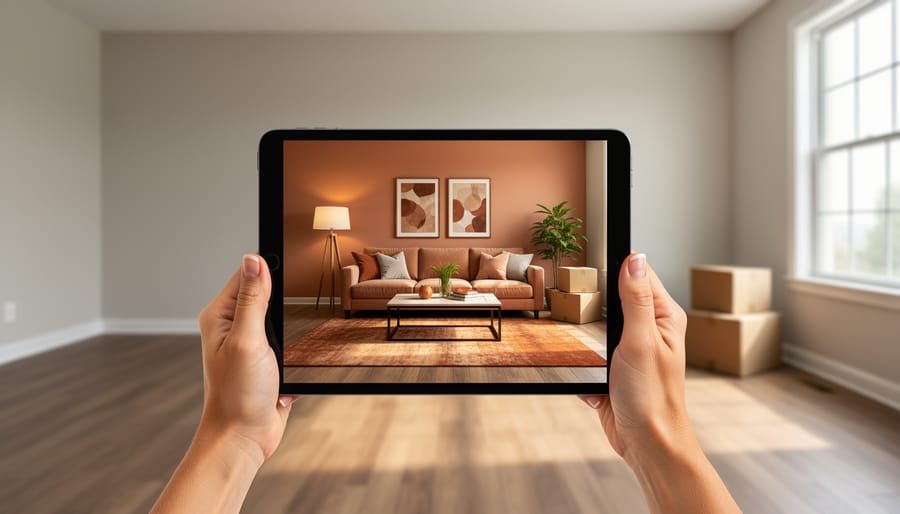
Virtual staging changes the game completely. Professional designers digitally furnish your photos, creating warm, inviting spaces that help buyers envision themselves living there—without moving a single piece of furniture. This means no disruption to current tenants, no waiting for lease end to stage, and photos ready for your listing within days rather than weeks.
The best part? You’ll spend a fraction of traditional staging costs while still capturing that emotional connection buyers need to make competitive offers. Whether your property is sitting empty after tenants move out or you need marketing materials prepared before lease end, virtual staging lets you present your home at its absolute best. This approach perfectly suits the unique pressures of selling at a fixed-term transition—you need quick results, professional presentation, and cost control all working together to achieve the sale price your property deserves.
What Is End-of-Lease Virtual Home Staging?
Picture this: your tenant has just moved out, and you’re staring at rooms full of potential but completely empty. That’s where end-of-lease virtual home staging comes in, and it’s honestly a game-changer for property owners in your exact situation.
Virtual staging is a creative digital solution where professional designers take photos of your vacant rooms and use specialized software to furnish and decorate them beautifully. Think of it as Photoshop magic meets interior design expertise. Instead of hauling in physical furniture, paying monthly rental fees, and coordinating deliveries, everything happens digitally on your computer screen.
Here’s how it works in your specific scenario. Once your lease ends and the property is empty and cleaned, a photographer captures high-quality images of each room. These photos then go to virtual staging designers who digitally add furniture, artwork, rugs, lighting, and all those finishing touches that make a house feel like a home. The entire process typically takes just 24 to 72 hours, which means you can have marketing-ready images almost immediately after your tenant moves out.
The timing couldn’t be more perfect for your situation. That window between lease end and listing your property is ideal because you have complete access to the empty space for photography without coordinating around tenant schedules. Plus, there’s no risk of damage to rented furniture or awkward showings with staged items in the way.
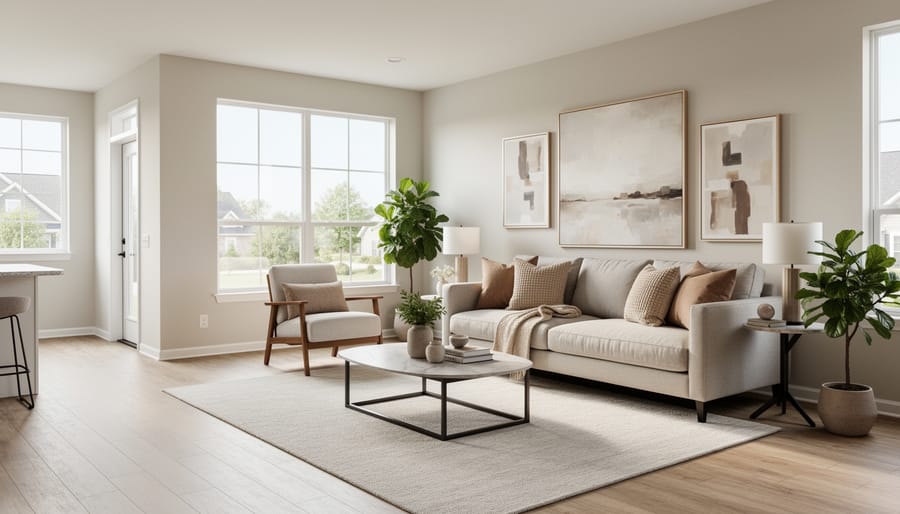
The final digitally furnished images look incredibly realistic and showcase your property’s full potential to buyers browsing online listings. It’s an affordable, fast, and flexible way to make your vacant rental shine in a competitive market without the headaches of traditional staging.
The Real Problem with Selling Empty Rental Properties
Why Empty Rooms Make Buyers Walk Away
When potential buyers walk into an empty room, something surprising happens—their imagination shuts down rather than opens up. It’s counterintuitive, isn’t it? You’d think a blank canvas would inspire possibilities, but the reality is quite different.
Vacant spaces feel cold and unwelcoming. Without furniture to provide scale, rooms often appear smaller than they actually are, and buyers struggle to understand how spaces flow together. That odd corner? It just looks awkward when it’s empty, but with the right virtual staging, it becomes a cozy reading nook or stylish workspace.
Here’s the real challenge: buyers need emotional connection to make offers, and empty rooms simply don’t spark that feeling. They can’t envision their morning coffee routine in a kitchen without a table, or picture family movie nights in a living room that echoes with every footstep.
This emotional disconnect directly impacts your bottom line. Properties sit on the market longer, and buyers often make lower offers because they can’t see the potential. When you’re working with an end-of-lease timeline, every extra week on the market adds pressure. Virtual staging bridges this gap beautifully, giving buyers the context they need to fall in love with your space.
The Timing Advantage You Already Have
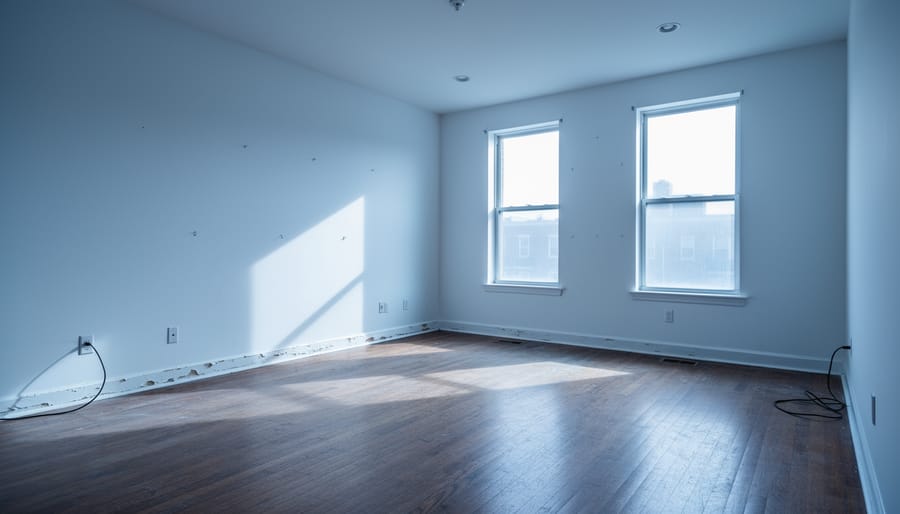
Here’s the perfect silver lining to your lease ending: you’ve got a completely empty space to work with. No coordinating schedules with tenants, no working around their furniture and belongings, and no awkward showings where potential buyers have to imagine past someone else’s lived-in clutter.
This timing creates an incredible opportunity that many sellers don’t even realize they have. An empty property is actually the ideal canvas for virtual staging. Your photographer can capture clean, unobstructed shots of every room, showing off the true space and natural light without distraction. These pristine images become the foundation for creating stunning virtually staged photos that help buyers instantly envision themselves living there.
Think of it this way: when your lease ends, you’re not just facing an empty property problem. You’re actually holding a blank slate advantage. Instead of rushing to find new tenants or selling a space that photographs like a sad, empty box, you can transform those vacant rooms into beautifully designed spaces that appeal to buyers’ emotions and help them see the full potential. The timing isn’t just convenient; it’s strategically perfect for showcasing your property at its absolute best.
How Virtual Staging Transforms Your Pre-Sale Strategy
The Money You’ll Save (And Where to Spend It Instead)
Let’s talk numbers, because this is where virtual staging really shines. Traditional physical staging typically costs between $2,000 and $6,000 per month, depending on your home’s size and location. That includes furniture rental, delivery, setup, and removal. If your lease ends and you need a quick turnaround, you’re still looking at a minimum month-long commitment.
Virtual staging, on the other hand, ranges from just $29 to $199 per room. For an entire three-bedroom home, you could spend around $400 to $600 total and have your professionally staged photos ready within days. That’s a savings of at least $1,400, even at the low end of physical staging costs.
Here’s the exciting part: that money you save can go toward things that actually increase your sale price. Consider putting those savings into minor repairs, a fresh coat of paint in neutral tones, or professional photography to capture your virtually staged spaces. These investments directly impact buyer perception while keeping your budget manageable. The return on investment speaks for itself when staged homes typically sell 73 percent faster and often at higher prices than unstaged properties.
Speed Matters When Your Lease Clock Is Ticking
Time is precious when you’re racing against a lease-end deadline, and here’s the good news: virtual staging moves at the speed you need. While traditional physical staging can take two to three weeks to schedule, coordinate furniture rental, and set up, virtual staging delivers results in just a few days—sometimes even 48 hours.
This rapid turnaround means you can list your property almost immediately after your tenant moves out, rather than watching valuable marketing days slip away. You’ll simply provide photos of your empty space, work with a designer to select the perfect furniture and décor style, and receive professionally staged images ready for your listing. No waiting for delivery trucks, no coordinating multiple vendors, and no last-minute scheduling headaches. For anyone feeling the pressure of that approaching lease-end date, this streamlined timeline transforms what could be a stressful rush into a manageable, efficient process that keeps your sale on track.
Show Different Styles to Different Buyers
Here’s the beauty of virtual staging—you’re not locked into just one look! When you’re selling at the end of a lease, you can’t physically redecorate multiple times, but virtual staging lets you showcase the same space in completely different ways. Think of it as giving potential buyers a personalized preview based on what they’re looking for.
Your designer can create several versions of the same room: maybe a modern minimalist living room for buyers who love clean lines, a cozy farmhouse kitchen for those seeking warmth, or even explore contemporary design styles for trend-focused buyers. This approach is especially helpful when styling specific spaces that could serve multiple purposes.
Your real estate agent can then share different versions with different buyer demographics, maximizing your property’s appeal across the board. It’s like having multiple show homes without the expense or hassle—just smart, flexible marketing that speaks directly to what each buyer envisions for their future home.
What the Virtual Staging Process Actually Looks Like
Getting Your Space Photo-Ready
Before your photographer arrives, you’ll want your empty space looking its absolute best—think of it as creating the perfect blank canvas. Start with a thorough deep clean, paying special attention to windows, floors, and baseboards. Natural light is your best friend here, so open all curtains and blinds to flood rooms with sunshine. If your property has dingy walls or outdated paint, consider a fresh coat in neutral tones; proper color choices can dramatically improve how spaces photograph.
Check every light bulb and replace any that are burnt out—well-lit rooms photograph beautifully and feel more inviting. Remove any personal items, clutter, or leftover moving boxes that might distract from the space itself. Small details matter too: wipe down light switches, clean air vents, and ensure all doors open smoothly.
Don’t worry if the space feels sterile or cold at this stage—that’s exactly what you want! Virtual staging will add all the warmth and personality later. Your goal is simply providing clean, bright, well-maintained spaces that showcase the property’s true potential and give your staging professional the best foundation to work with.
Working with Your Designer on the Vision
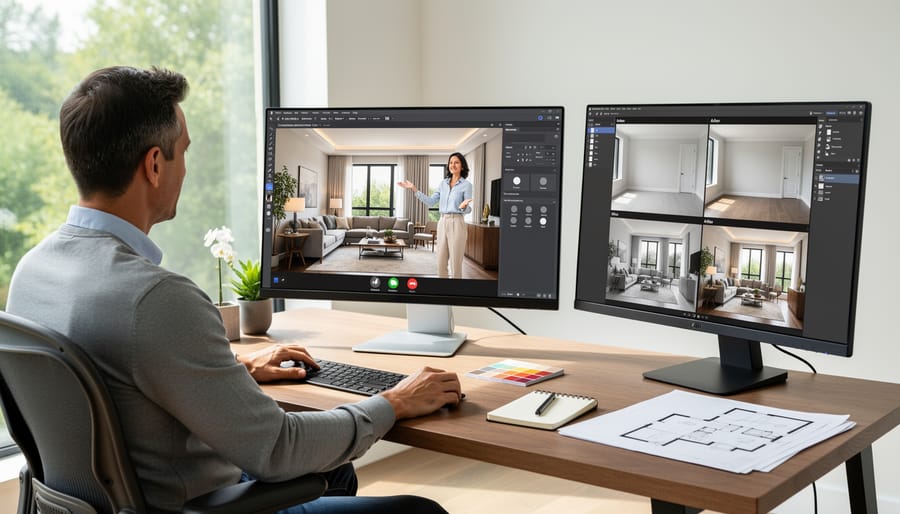
Working with a virtual staging designer is easier than you might think, and it all starts with a simple conversation about who you’re trying to reach. During your initial virtual consultation, you’ll chat with your design team about your property’s best features and, most importantly, who your ideal buyer is. Are you targeting young professionals looking for their first home? Growing families needing space? Downsizers seeking low-maintenance living? This matters because your designer will create a vision that speaks directly to that buyer’s lifestyle and dreams.
Don’t worry if you’re not sure how to articulate your target market. Your design team will ask helpful questions about your property’s location, price point, and neighborhood vibe to guide the conversation. They might ask about nearby amenities, school districts, or local attractions to better understand who naturally gravitates to your area.
Be ready to share photos of your empty space from multiple angles, and feel free to voice any ideas or concerns you have. Maybe you’ve noticed similar properties in your building that sold quickly, or perhaps you have thoughts about what style feels right. Your insights are valuable! This is a true collaboration, not a one-sided process.
The beauty of virtual staging is that you can request revisions if something doesn’t feel quite right. Your designer wants to nail the vision just as much as you do, so open communication throughout the process ensures you’ll end up with images that make buyers stop scrolling and start scheduling viewings.
Making Virtual Staging Work for Your Property Type
Small Spaces Need Different Staging Strategies
When you’re dealing with a compact apartment or cozy condo, virtual staging becomes your secret weapon for making every square foot count! The beauty of digital staging for smaller spaces is that you can showcase clever furniture placement without the physical limitations of actually moving pieces around.
Start by choosing appropriately scaled furniture in your virtual staging. Oversized sofas or bulky dining sets can make a small room feel cramped, even digitally. Instead, opt for streamlined pieces that show off the functionality of the space without overwhelming it. Think sleek armchairs instead of massive sectionals, and consider floating furniture away from walls to create better flow.
Light, neutral colors work wonders in compact areas, helping rooms feel more open and airy. Virtual staging lets you experiment with different color palettes instantly, so you can find that perfect balance between personality and spaciousness.
Don’t forget those design details that add character without clutter. A well-placed mirror, strategically staged lighting, or a single statement piece can transform the entire vibe. If you’re looking for more inspiration on decorating smaller spaces, remember that virtual staging gives you unlimited do-overs to get it just right!
Investment Properties Deserve Love Too
If you own investment properties, virtual staging becomes even more brilliant from a financial standpoint. Think about it: you’re already in the business of maximizing returns and minimizing expenses, right? Virtual staging fits perfectly into that strategy.
With investment properties, you’re likely juggling multiple units or planning your next purchase. Traditional staging costs can quickly eat into your profit margins, especially when you’re staging between tenants. Virtual staging lets you present each property beautifully for a fraction of the cost, typically ranging from $30 to $150 per room compared to thousands for physical staging.
Here’s a smart approach for investment properties: create a library of virtually staged images that showcase each property’s potential. These can be reused across different marketing platforms and even repurposed if the property comes back on the market later. You’re essentially creating marketing assets that keep working for you.
The beauty is that potential buyers can see themselves living there without any confusion about whether furniture stays or goes. Everything’s clearly digital, which actually simplifies the transaction. Plus, you can stage quickly between lease end and listing, keeping your property’s vacancy period wonderfully short. Time is money in real estate investing, and virtual staging respects both.
Common Mistakes to Avoid with Virtual Staging
While virtual staging offers incredible potential for end-of-lease properties, there are a few common pitfalls worth avoiding to ensure you get the best results and maintain trust with potential buyers.
The biggest mistake? Going overboard with the staging. It’s tempting to create that magazine-worthy look, but remember—the goal is to help buyers visualize living in the space, not to create unrealistic expectations. If you virtually stage a modest rental with luxury furniture and high-end finishes that don’t match the property’s actual value, you’ll likely disappoint viewers when they arrive for inspections. Keep it authentic to your property’s price point and character.
Another misstep is choosing styles that clash with the property type. A sleek, ultra-modern setup might look gorgeous in your head, but if you’re selling a charming cottage-style home, that disconnect will feel jarring to buyers. The virtual furniture and décor should enhance what’s already there, not fight against the property’s natural personality.
Image quality matters more than you might think. Blurry photos or poorly lit rooms won’t do your virtually staged furniture any favors. Even the most beautiful virtual staging can’t rescue a low-quality base image, so invest time in capturing bright, clear, well-composed photographs before staging begins.
Here’s the non-negotiable: always disclose that images are virtually staged. This isn’t just ethical—it’s often legally required. A simple note like “Images digitally staged” in your listings protects everyone involved and maintains buyer trust. Transparency actually works in your favor, showing you’re tech-savvy and honest about the property’s current condition while helping them see its potential. This straightforward approach keeps the process positive and builds confidence rather than creating disappointment.
As your lease draws to a close and you’re preparing to sell, virtual staging offers a smart, budget-friendly way to showcase your property’s full potential without the stress of traditional staging logistics. You’re already juggling the timing of lease end and property sale—why add the complexity of moving furniture in and out? With virtual staging, you get professional design expertise that transforms empty or outdated spaces into inviting homes that buyers can instantly envision themselves living in.
The beauty of this approach is that it works with your timeline, not against it. You can stage multiple rooms for less than the cost of renting furniture for even one space, and the entire process happens digitally, meaning no coordination headaches with movers or concerns about damage to your property. Plus, you’ll have market-ready listing photos in days, not weeks.
Ready to see what virtual staging can do for your property? The process is simpler than you might think, and professional design help is more accessible than ever. You don’t need a massive budget or complicated arrangements to present your home beautifully. Take that next step and explore how virtual staging can help you sell faster and more profitably as your lease comes to an end. Your future buyer is out there, and great design will help them find you.
Leave a Reply