How to Choose Online Interior Design Services: A Buying Guide for Accessible Solutions
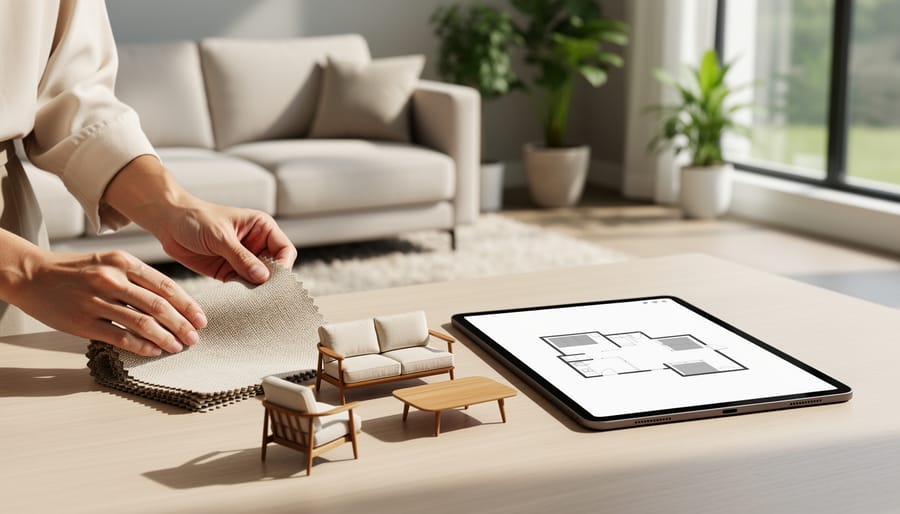
Online interior design services give you professional help to transform your space through a seamless online process typically at 50-75% less cost than traditional in-person designers. You’ll work virtually with a real designer who creates custom room plans, furniture layouts, and shopping lists tailored to your budget and style, all without anyone needing to visit your home.
If you’ve been staring at blank walls or outdated furniture wondering where to start, virtual design services bridge the gap between DIY guesswork and expensive traditional consultations. The process is straightforward: you share photos and measurements of your space, describe your vision and budget, then receive a complete design package you can implement at your own pace.
But here’s the challenge. The online design industry has exploded in recent years, with options ranging from algorithm-based apps to boutique studios offering white-glove service. Some charge flat fees as low as $99 per room, while others run into thousands. Some provide detailed implementation support, others hand you a PDF and wish you luck. The quality, communication, and actual value vary wildly.
This guide walks you through exactly what to evaluate when choosing an online interior design service. We’ll break down the key factors that separate excellent services from disappointing ones, compare the main types available, recommend which option fits different scenarios and budgets, and help you avoid the common pitfalls that lead to buyer’s remorse. By the end, you’ll know precisely what questions to ask and what to expect for your investment.
What Makes Online Interior Design Services Different

Online interior design services flip the traditional model on its head. Instead of scheduling in-home consultations that require coordinating schedules and geographic proximity, you work with professional designers entirely through digital platforms, video calls, messaging apps, shared design boards, and cloud-based tools. The shift gained momentum during the pandemic but has become a permanent fixture of the industry, with growth in 2026-2030 forecasts reflecting strong demand for virtual services.
The typical process starts with a questionnaire or intake form where you share photos of your space, measurements, budget parameters, and style preferences. From there, designers create mood boards, floor plans, and shopping lists tailored to your needs, all delivered digitally. Many services now offer 3D renderings that let you visualize the finished room before purchasing a single item, removing much of the guesswork that comes with imagining how pieces will work together. This approach aligns with what is seamless design aims to achieve: cohesive spaces where every element feels intentional.
Service models vary widely. Virtual consultations might be one-off video sessions where a designer reviews your space and provides recommendations. Design board services deliver curated product selections with layout suggestions. Full-service packages include everything from space planning to custom furniture sourcing, with implementation support as you bring the design to life. The common thread is convenience, you get professional guidance without rearranging your schedule or paying premium hourly rates for someone to physically visit your home.
What to Look for When Choosing an Online Design Service
Service Scope and Flexibility
Before committing to an online interior design service, clarify exactly what they cover. Some services specialize in single-room makeovers, which works perfectly if you’re refreshing your living room or bedroom. Others tackle whole-home projects, coordinating multiple spaces for a cohesive flow throughout your property. If you’re planning a phased approach, room by room as budget allows, confirm the service accommodates this flexibility rather than requiring you to design everything at once.
Package options vary significantly. Entry-level packages might include a design board and shopping list for one space, while premium tiers offer multiple rooms, 3D renderings, and ongoing support. Check what each tier includes and whether you can customize elements rather than accepting a rigid package that doesn’t match your needs.
Equally important is whether the service scales to your project scope. A quick refresh involving paint colors and accessories requires different support than a major redesign with structural considerations. The best services accommodate both ends of this spectrum, adjusting their process and deliverables to match your ambition and budget without forcing you into an unnecessarily comprehensive package.
Designer Expertise and Matching
The designer you work with shapes your entire experience, so their background matters. Look for services that employ credentialed professionals, interior designers with formal training or relevant certifications bring deeper knowledge of spatial planning, materials, and building codes than self-taught decorators. That said, talent and experience often matter more than letters after a name.
Review portfolios carefully before committing. A designer’s previous work reveals their aesthetic range and whether they can adapt to different styles or stick to a signature look. If you love modern minimalism but their portfolio shows exclusively traditional spaces, that’s a red flag. The best services maintain diverse designer rosters so you can find someone whose sensibility aligns with yours.
Ask how matching works. Some platforms assign designers randomly; better ones consider your style preferences, project scope, and specific challenges during the pairing process. A designer experienced in small-space solutions will serve a studio apartment differently than one who typically handles suburban homes.
Request an introductory call before purchasing packages. Chemistry matters in creative collaboration. If the designer listens poorly or dismisses your ideas during initial conversations, working together will frustrate both of you. Trust your instincts, the right match feels collaborative, not prescriptive.
Communication and Collaboration Tools
The technology connecting you and your designer should feel intuitive, not like a barrier. Look for services that use familiar video platforms (Zoom, Google Meet) rather than proprietary software that requires downloads or learning curves. You want to spend your time discussing design ideas, not troubleshooting tech issues.
Interactive design boards are where the magic happens. The best platforms let you click through product links, zoom into details, and see everything organized clearly. Some services use sophisticated tools like Moodboard or specialized software, while others rely on Pinterest or simple PDFs. Ask whether you can access boards from your phone or tablet, and if they update in real time as changes happen.
Feedback shouldn’t feel like shouting into a void. Check how quickly designers typically respond to questions (same day? 48 hours?). Can you leave comments directly on design boards, or must everything go through email? The easier it is to say “love this lamp, hate that rug,” the smoother your project flows.
Red flags include platforms that crash frequently, boards you can’t revisit after the project ends, or communication channels that require multiple logins. The technology exists to serve the collaboration, not complicate it.
Pricing Structure and Transparency
Understanding how a design service charges, and what you’re actually paying for, prevents budget surprises and helps you compare options fairly. Most online interior design services use one of three pricing models, each with different advantages depending on your project scope and comfort level.
Flat-fee packages offer a set price for a defined service, such as designing one room with two revision rounds and a shopping list. This approach provides predictability and works well for straightforward projects. Hourly rates give you flexibility if your needs are uncertain or you want to start small, though costs can creep up without careful tracking. Package-based pricing bundles services into tiers (basic, premium, full-service), letting you choose the level that matches your budget and desired involvement.
The critical question isn’t just the headline price, it’s what’s included. Does the fee cover initial consultations, 3D renderings, shopping links with discount codes, or installation guidance? Are revisions unlimited or capped at two rounds? Some services charge extra for add-ons like custom floor plans or expedited timelines, which can double your final cost if you’re not careful.
Look for services that publish clear pricing on their website and break down deliverables upfront. Avoid vague “starting at” language without details. A transparent provider will explain exactly what you’ll receive and what costs extra before you commit.
Deliverables and Implementation Support
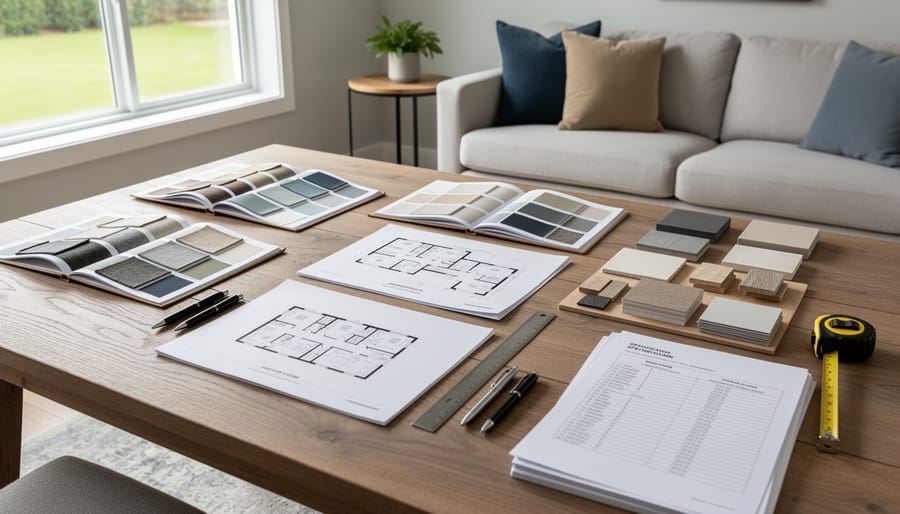
Understanding what you’ll actually receive matters just as much as the design process itself. Most services provide design boards (also called mood boards or concept boards) showing your room’s final look with furniture, colours, and decor. You’ll typically get detailed shopping lists with product links and prices, making it easy to purchase items at your own pace. Some services include floor plans showing furniture placement and measurements, while premium options offer 3D renderings that let you virtually walk through your redesigned space.
The level of detail varies significantly. Basic packages might give you a simple board and general suggestions, while comprehensive services provide installation instructions, paint codes, precise measurements, and even tips on how to style an Asian table or arrange accessories. Implementation support separates good services from great ones. Ask whether you’ll get help during the execution phase, some designers offer follow-up consultations as you buy and install, answer questions about contractors, or troubleshoot challenges. Others hand over the plan and you’re on your own, which works fine if you’re comfortable managing the project yourself.
Revision Policy and Satisfaction Guarantees
Understanding the revision policy before committing to any online design service can save you frustration and unexpected costs down the line. Most reputable services include at least one or two rounds of revisions in their base package, allowing you to refine colors, furniture selections, or layout adjustments after seeing the initial design. Some offer unlimited revisions within a set timeframe, though this is less common.
Pay attention to how the revision process actually works. Can you provide feedback directly on the design board, or must you email a list of changes? How long does each revision round take? The best services make requesting changes straightforward and respond promptly, typically within a few business days.
Equally important is what happens if you’re genuinely unhappy with the final result. Some companies offer satisfaction guarantees or will reassign you to a different designer if there’s a mismatch. Others provide partial refunds if the deliverables don’t meet promised standards. Read the fine print carefully and ask upfront about their policy for resolving disputes. A service confident in its work will have clear, fair terms that protect both parties.
Types of Online Interior Design Services Compared
DIY Design Platforms with Templates
DIY design platforms put the creative control in your hands while providing structure through pre-made templates, room layouts, and style quizzes. You’ll work with drag-and-drop tools to arrange furniture, select paint colors, and visualize spaces using digital mood boards. Most platforms offer curated product recommendations and basic design principles, but you’re responsible for making all final decisions and executing the plan yourself.
These services work best if you’re comfortable making design choices independently and enjoy the hands-on process. You might use templates to plan your layout, then apply those principles when you decorate a coffee table or style specific areas. The trade-off for lower costs, often $50 to $200 per room, is minimal personalized feedback and no designer holding your hand through implementation.
Hybrid Services with Designer Input
Hybrid services strike a balance between affordability and personalized attention. You’ll typically start by completing a detailed questionnaire about your space, style preferences, and budget, then work with an assigned designer who creates customized design boards and shopping lists tailored to your needs. Unlike DIY platforms, you get real conversations with a professional who can explain the reasoning behind their choices and adjust recommendations based on your feedback. These services often include one or two video consultations and a few revision rounds, making them ideal if you want expert guidance on selecting furniture, paint colors, or design elements like bold powder room wallpaper without committing to the higher cost of full-service design. Expect to pay between $300 and $1,500 per room, depending on complexity and the level of customization you need.
Full-Service Virtual Consultancies
Full-service virtual consultancies replicate the traditional design firm experience through digital channels, offering the most comprehensive support for homeowners who want a hands-off approach. These services assign you a dedicated designer who handles everything from initial consultation and space planning to custom mood boards, detailed floor plans, and curated shopping lists. You’ll typically receive multiple video consultations, 3D renderings showing exactly how the finished space will look, and ongoing guidance throughout implementation.
The personalized attention comes at a premium, expect to invest several hundred to a few thousand dollars depending on project scope, but you’re paying for expertise, creativity, and someone who manages the details while keeping your vision and budget front and center. This model works best when you value professional design direction but can’t accommodate in-person visits, or when you’re tackling complex projects that require thoughtful planning and custom solutions rather than quick fixes.
Specialty or Niche Design Services
Niche services zero in on a specific design challenge instead of offering general decorating help. If you’re tackling a complicated kitchen remodel, a nursery that needs to grow with your child, or a bathroom redesign for aging in place, a specialist brings focused expertise that a generalist might lack.
Room-specific services excel at the functional details. Kitchen designers understand workflow triangles, appliance placement, and storage optimization in ways that matter daily. Nursery specialists know safe finishes, adaptable furniture, and lighting that supports sleep routines.
Style-focused services suit clients with a clear aesthetic vision. A minimalist design service won’t push you toward clutter, while a maximalist specialist celebrates bold patterns and layered textures without apology. You’re working with someone who genuinely loves and understands that approach.
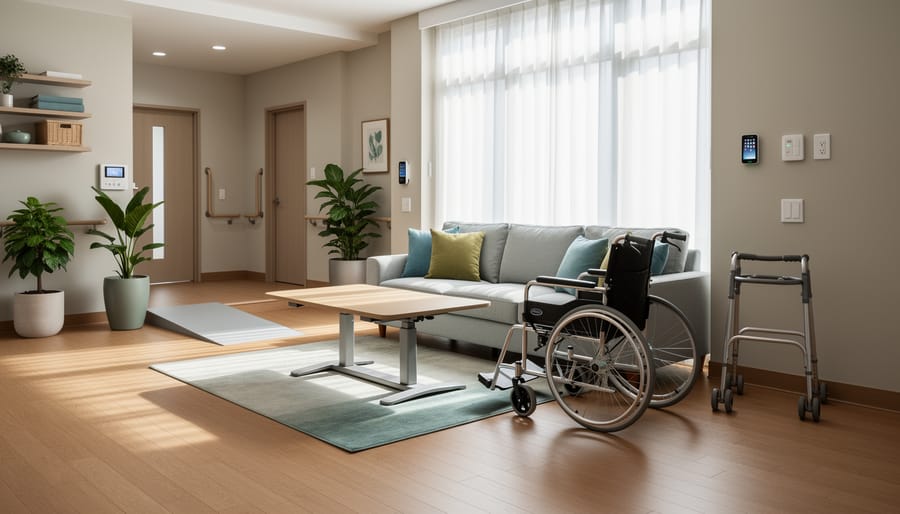
Need-based specialists address accessibility, sustainability, or other specific requirements. Accessible design services understand grab bar placement, wider doorways, and adaptive fixtures. Sustainable designers source eco-friendly materials and prioritize longevity over trends.
The trade-off is scope. These services handle their specialty brilliantly but may refer you elsewhere for other rooms or broader projects. Choose this route when expertise in one area outweighs the convenience of a single designer for everything.
Recommended Online Design Services for Different Needs
Finding the right online design service comes down to matching your specific situation with the service model that fits your budget, timeline, and involvement preference. Here’s how different scenarios align with different approaches.
If you’re working with a tight budget and enjoy being hands-on with design decisions, DIY platforms with templates offer the most economical route. You’ll get access to design tools, inspiration galleries, and basic guidance while maintaining full control over the process. This works best when you have a clear vision and just need help pulling it together, or when you’re tackling a single small room like a home office or powder bath.
For those who want professional input without committing to a full-service package, hybrid services strike an excellent balance. You’ll receive personalized designer consultations and custom recommendations while still making many decisions yourself. This approach suits homeowners refreshing a living room or bedroom who value expert advice on layout, colour schemes, and key furniture pieces but don’t need comprehensive hand-holding through every purchase.
Full-service virtual consultancies make sense when you’re redesigning multiple rooms, lack confidence in your design skills, or simply want to hand off the creative work entirely. The higher investment buys you dedicated designer time, detailed plans, custom mood boards, and ongoing support through implementation. Busy professionals, new homeowners furnishing from scratch, and anyone undertaking a whole-home refresh typically find this level of service worth the cost.
Consider these scenario-to-service matches:
- First apartment on a student budget: DIY platform with templates and shopping lists
- Young family updating a playroom and kitchen: Hybrid service with designer consultations
- Empty nesters downsizing to a condo: Full-service consultancy for comprehensive planning
- Renter wanting to personalize without major changes: DIY or hybrid focused on styling and decor
- Homeowner needing accessible design modifications: Specialty service with accessibility expertise
- Someone redesigning after a major life change: Full-service for emotional support and fresh perspective
Specialty services deserve consideration when you have specific requirements beyond general aesthetics. If you’re designing a nursery, renovating for aging-in-place, or committed to sustainable materials, seek out designers who specialize in those areas rather than generalists. Their focused expertise will save you time and deliver better results for your particular needs.
Common Mistakes to Avoid When Hiring Online Designers
Jumping into an online design project without clear preparation sets you up for frustration and wasted money. The most common mistake is skipping the homework stage, failing to measure your rooms accurately, photograph current furniture and lighting conditions, or articulate what you actually dislike about your space right now. Designers need this baseline information to create practical solutions, not just pretty pictures that won’t fit through your doorway or clash with pieces you plan to keep.
Another pitfall is choosing a service based solely on portfolio aesthetics without checking whether their offerings match your project scope. If you need help implementing a design and sourcing affordable alternatives, a service that only provides a mood board and shopping list will leave you stranded. Read the deliverables list carefully and ask questions before signing up.
Treating the designer as a mind reader rather than a collaborator derails many projects. Vague feedback like “I don’t love it” gives the designer nothing actionable, while responses such as “the blue feels too cool for this north-facing room” or “I prefer the sofa against the opposite wall” move the design forward. Be specific, respond to questions promptly, and share inspiration images that capture what you want, whether that’s how to style an antique table you inherited or a color palette that speaks to you.
Finally, expecting instant transformations or discount-store prices for custom work leads to disappointment. Online services are more affordable than traditional design, but good work still requires time and investment. Unrealistic timelines pressure both you and the designer, resulting in rushed decisions you’ll regret. Build in buffer time for revisions, shipping delays, and the reality that you might need to save up for a statement piece rather than settling for a compromise that never quite works.
What to Look For
When evaluating online interior design services, start with the designer match process. The best services pair you with someone whose aesthetic sensibilities align with yours and who understands your space’s unique challenges. Review their portfolio thoroughly before committing.
Scrutinize the communication structure. You need clear, regular touchpoints throughout the project, not radio silence followed by a finished plan that misses the mark. Look for services that use intuitive platforms where you can share feedback, ask questions, and track progress without endless email chains.
Pay close attention to what you’ll actually receive. Detailed shopping lists with direct product links save hours of searching. Floor plans should include measurements and furniture placement specifics. If 3D renderings are promised, confirm they’re truly dimensional visualizations, not just flat mood boards.
Finally, verify the revision policy upfront. Most quality services include at least two revision rounds, but understand what constitutes a revision versus a complete redesign. Services confident in their matching and design process typically offer satisfaction guarantees, which signals they stand behind their work.
Frequently Asked Questions
The online design process often raises questions for first-time users. Understanding these practical details helps you prepare properly and set realistic expectations for your virtual design experience.
How long does the typical online design process take?
Most online design services deliver initial concepts within 1-2 weeks after your consultation, with the full process taking 3-6 weeks depending on project scope and revision rounds. Rush services may be available for an additional fee if you’re working on a tight timeline.
Can I incorporate furniture and decor I already own?
Absolutely, most services encourage you to include existing pieces you love. During intake, you’ll photograph your current items, and designers will work them into the plan, suggesting what to keep, repurpose, or replace based on your goals and budget.
What technology or equipment do I need for virtual consultations?
You’ll need a smartphone or computer with a camera and internet connection for video calls, plus the ability to take and share photos of your space. Most services use common platforms like Zoom or proprietary apps that work on standard devices without special equipment.
How should I prepare for my first design consultation?
Measure your space, take photos from multiple angles in good lighting, gather inspiration images that reflect your style, and think about your budget, timeline, and specific pain points. Having this information ready makes the consultation more productive and ensures your designer understands your vision from the start.
What happens if I don’t like the initial design concepts?
Reputable services include revision rounds, typically 1-3 depending on your package, where you can request changes to colors, furniture selections, layouts, or any element that doesn’t feel right. Clear feedback helps designers refine the plan until it matches your vision.
Do online designers help with implementation, or just provide the plan?
This varies by service. Some provide only design boards and shopping lists, while others offer ongoing support through implementation, including vendor coordination, timeline guidance, and troubleshooting as you bring the design to life.
Are online design services suitable for renters with restrictions?
Yes, many services specialize in renter-friendly solutions using removable wallpaper, freestanding furniture, lighting upgrades, and decor changes that transform spaces without permanent alterations. Be upfront about your rental restrictions during intake so designers can plan accordingly.
Beyond these common questions, consider your specific situation and project needs. If you’re renovating rather than redecorating, ask whether the service coordinates with contractors or provides technical drawings. For shared spaces, clarify whether consultations can include multiple decision-makers. The best services welcome questions throughout the process, not just at the beginning, so choose one with responsive communication that makes you feel supported rather than rushed through a template experience.
Professional interior design isn’t reserved for those with unlimited budgets or access to high-end design firms anymore. Online interior design services have genuinely democratized the industry, making expert guidance available to anyone with a vision for their space and an internet connection. Whether you’re working with a tight budget, tackling a single room, or reimagining your entire home, there’s a service model designed to meet you where you are.
The key is knowing what you need and choosing a service that aligns with your project scope, involvement level, and budget. A DIY platform might be perfect if you love hands-on creativity and want professional tools at your fingertips. A full-service virtual consultancy could be ideal if you’d rather hand the reins to an expert who’ll translate your vision into reality. Either way, you’re not settling for less than traditional design, you’re choosing a modern approach that’s often more flexible and responsive to how we actually live.
Your space deserves to feel intentional, inspiring, and uniquely yours. Don’t let uncertainty or hesitation keep you from creating an environment that truly supports your daily life and brings you joy. Start by identifying your biggest design challenge, set a realistic budget, and reach out to a service that resonates with your style and needs. The transformation you’re imagining is more accessible than you think.