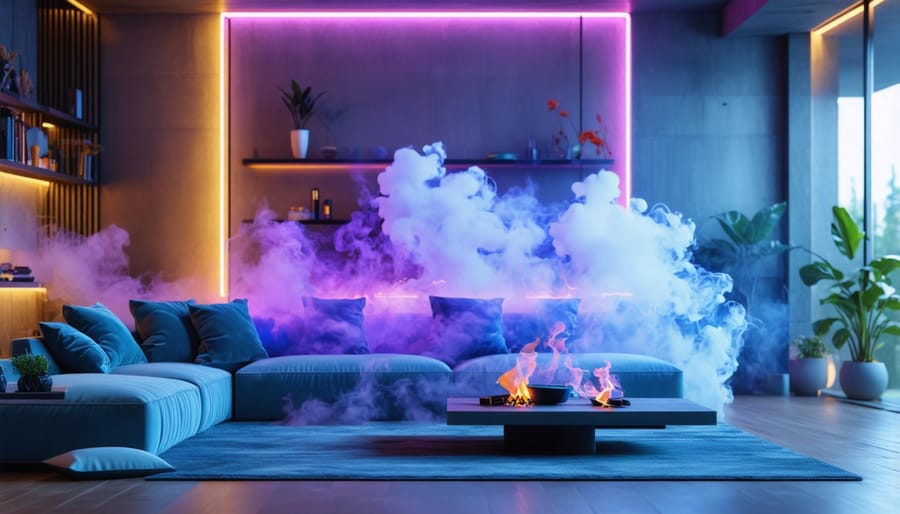
Why Your Home Office Deserves the Same Design Magic as a High-Stakes Poker Room
Study the meticulously crafted interfaces of bitcoin poker games and professional online poker platforms, and you’ll discover a goldmine of design principles that transform ordinary home offices into focus-enhancing workspaces. These digital environments are engineered with surgical precision to maintain user engagement for hours, minimize distractions, and create psychological comfort—exactly what you need when working from home.
Professional poker room designers obsess over color psychology, using deep greens and blues to reduce eye strain during extended screen time. They position interface elements to create natural eye flow, eliminating the constant visual searching that causes fatigue. Lighting schemes are calibrated to maintain alertness without harshness, and every visual element serves a specific purpose with zero clutter.
These same strategies translate beautifully into your home workspace. The critical difference? While casino designers aim to keep players engaged indefinitely, you can adapt these techniques to boost your productivity and comfort during work hours. The strategic use of ambient lighting, carefully selected accent colors, and intentional furniture placement can replicate that immersive, distraction-free environment professional platforms spend millions perfecting.
This isn’t about transforming your spare bedroom into a casino. It’s about borrowing battle-tested design principles from an industry that understands human psychology, visual comfort, and sustained focus better than most. Whether you’re video conferencing, coding, or managing spreadsheets, these professional-grade strategies work without requiring a professional-grade budget.
What Makes Online Poker Room Design So Special?
The Psychology Behind the Setup
Professional poker players understand something crucial: your environment directly impacts your mental stamina and decision-making ability. When you’re sitting at a screen for eight to twelve hours, every detail matters. The same principles that guide gaming lounge design can transform your home workspace into a productivity powerhouse.
Think about it this way: poker pros eliminate distractions because a single moment of lost focus can cost thousands. They position monitors at specific angles to reduce eye strain and maintain alertness. They choose lighting that keeps them energized without causing headaches. These aren’t luxury considerations, they’re performance necessities. Research in workspace ergonomics consistently shows that environmental factors like lighting quality, seating position, and noise control significantly affect sustained attention and cognitive performance.
The psychology here applies to anyone working from home. Your brain craves consistency and comfort. When you create a dedicated space that supports concentration, you’re essentially training yourself to enter “work mode” the moment you sit down. Studies on environmental psychology demonstrate that spatial design influences mental state, a principle poker professionals have applied for years to maintain peak performance during marathon sessions.
Professional players have refined these workspace optimization principles through countless hours at the table:
- Ergonomic seating that supports proper posture during extended sessions
- Strategic lighting control to minimize glare and maintain alertness
- Active noise management to eliminate auditory distractions
- Complete removal of visual clutter and non-essential items from the workspace
- Consistent routine triggers that signal the start and end of focused work periods
You don’t need a professional setup to benefit from these insights. Start by identifying what drains your energy during long work sessions. Is it glare on your screen? An uncomfortable chair? Random household noise? Address these systematically, just like a poker pro would. Your workspace should support your goals, not work against them.
Lighting That Keeps You Sharp for Hours
Layer Your Light Like a Pro
Think of lighting like building the perfect playlist – you need different tracks working together to create the right vibe! For your poker room setup, you’ll want three distinct layers working in harmony.
Start with ambient lighting as your foundation. This is your overall room brightness – think ceiling fixtures or recessed lights with dimmer switches. Keep it soft and even to reduce eye strain during those marathon sessions. Around 300-500 lumens works beautifully for most spaces.
Next, add task lighting directly at your workspace. A quality desk lamp positioned to eliminate screen glare is essential. Position it to the side of your monitor rather than behind it, and aim for adjustable options so you can redirect light as needed throughout the day.
Finally, accent lighting brings personality and reduces harsh contrasts. LED strips behind your monitor create a gentle glow that eases eye fatigue, while a small lamp in the corner adds depth to your space. This layered approach mimics what professional gaming setups use – and there’s a reason those spaces feel so comfortable for extended play.
The beauty of this system? You can customize each layer independently, adjusting brightness based on time of day or how you’re feeling. It’s like having a personal lighting designer at your fingertips!

Screen Glare Solutions That Actually Work
Screen glare isn’t just annoying during a critical hand, it’s a legitimate health concern that can derail your entire session. The good news? Most glare problems have straightforward fixes that don’t require expensive equipment or a room redesign.
Start with monitor positioning. Place your screen perpendicular to windows rather than directly facing or backing them. This simple switch prevents harsh natural light from bouncing off your display or creating backlit situations that strain your eyes during marathon sessions. If your desk setup allows it, position yourself so windows are to your side, ideally with curtains or blinds you can adjust as the sun moves.
The matte versus glossy display debate matters more than most players realize. Glossy screens deliver sharper colors and contrast, but they’re reflection magnets. Matte displays scatter incoming light, drastically reducing glare at the cost of slightly muted colors. For poker play where you’re reading small text and tracking multiple tables, matte wins nearly every time. If you’re stuck with a glossy screen, a quality anti-glare filter can transform it without the expense of a new monitor.
Here’s a priority checklist for reducing glare in any setup:
- Position your monitor perpendicular to windows, never facing them directly or with your back to them.
- Use task lighting from the sides rather than from behind you or the screen, preventing light sources from reflecting into your eyes.
- Apply a matte screen protector if you have a glossy display, choosing one rated for your screen size with anti-fingerprint coating.
- Adjust your screen brightness to match ambient room lighting, not maximum brightness, reducing the contrast that causes eye strain.
- Install adjustable window treatments like sheer curtains or vertical blinds that let you control natural light during peak sunlight hours.
Ambient lighting deserves special attention. Your screen shouldn’t be the brightest object in the room, that creates a harsh contrast that fatigues your eyes fast. A bias light, a soft LED strip mounted behind your monitor, balances the brightness between your screen and surroundings. Many serious grinders use them because they reduce eye strain during those eight-hour sessions without adding glare to the display itself.
Window treatments give you dynamic control. Adjustable options like sheer curtains or blinds let you respond as natural light changes throughout the day. Morning sun hits different than afternoon glare, and your setup should adapt. If you’re in a space with unavoidable glare issues, blackout curtains during peak hours combined with good artificial lighting solve the problem completely.
Your eyes shouldn’t feel tired after an hour at the tables. If they do, that’s your signal to reassess your lighting setup and make adjustments before it becomes a chronic problem.
Furniture Choices That Support Marathon Sessions
The Chair That Changes Everything
Here’s the truth about chairs: you can have the most beautiful poker room setup, but if your chair isn’t right, you won’t last more than an hour before everything starts aching. Professional online poker players know this intimately because they’re sitting for marathon sessions, and we can learn so much from their choices.
The magic number you need to remember? Four to six hours of comfortable sitting. That’s your baseline goal. Look for chairs with adjustable lumbar support, not just a curved backrest. Your lower back should feel actively supported, like someone’s gently pressing against it. Armrests matter too, and they should be adjustable in height so your shoulders can relax naturally while your hands work.
Budget-wise, you don’t need to spend a fortune. Quality ergonomic chairs in 2026 start around $180 to $300, which feels like a lot until you realize you’re investing in your health. The HON Ignition 2.0 and Staples Hyken mesh chairs sit at the lower end of that range and deliver solid ergonomics. For something better, the Steelcase Series 1 runs about $450 but shows up frequently in office liquidation sales. Check refurbished options from reputable brands too. Gaming chairs look cool, but honestly, a good office task chair often provides better support for the price.
The features that genuinely matter? Seat depth adjustment (so your thighs aren’t cutting off circulation), breathable fabric or mesh (because nobody wants to stick to their chair), and a solid base with smooth-rolling casters. Skip the fancy extras like built-in speakers or LED lights. They’re fun but won’t make those long sessions any more comfortable. Your body will thank you for prioritizing substance over style here.
Ergonomic furniture including a quality chair and properly positioned monitors forms the foundation of a workspace designed for marathon work sessions.
Desk Setup for Screen-Heavy Work
Getting your desk setup right is absolutely essential when you’re spending hours at your screen, whether you’re grinding poker sessions or tackling any screen-heavy work. Let’s talk about creating a workspace that keeps you comfortable and focused without the aches and pains.
First up, desk height matters more than you might think. Your elbows should rest at roughly 90 degrees when your hands are on your keyboard or mouse. For most people, that means a desk height between 28 and 30 inches. If your current desk doesn’t quite work, an adjustable desk can be a game-changer, letting you find that sweet spot or even switch to standing during longer sessions.
Monitor positioning is your next focus area. Your screen should sit about an arm’s length away, with the top of the monitor at or slightly below eye level. This prevents that dreaded neck strain from constantly looking up or down. If you’re using a laptop, consider getting a separate monitor or a laptop stand paired with an external keyboard. Many serious online poker players actually use multiple monitors, and this same setup works beautifully for anyone multitasking between different programs.
For workspace layout, keep everything you need regularly within easy reach to avoid constant stretching or twisting. Your mouse and keyboard should be close enough that your shoulders stay relaxed, not hunched forward. Think about cable management too because a tidy space genuinely helps you think more clearly and reduces visual clutter that can distract you during critical moments.
| Element | Recommended Measurement | Why It Matters |
|---|---|---|
| Monitor height | Top at or slightly below eye level | Prevents neck strain from looking up or down |
| Monitor distance | Arm’s length (20-26 inches) | Reduces eye fatigue and maintains focus |
| Desk height | 28-30 inches (elbows at 90°) | Keeps shoulders relaxed, wrists neutral |
| Keyboard position | Just above lap, wrists straight | Minimizes repetitive strain injuries |
| Mouse position | Same level as keyboard, close by | Avoids shoulder hunching and reaching |
Color Psychology and Atmosphere Control
Colors That Keep You Calm and Focused
When it comes to creating a calm environment for your home poker room or focused workspace, color choices make all the difference. Think of soft, muted blues and greens as your foundation—these shades naturally lower stress levels and help maintain concentration during long sessions. Pairing cool tones with warm neutrals like soft taupe or warm gray prevents that clinical, sterile feeling while keeping the atmosphere professional.
Consider a sage green accent wall combined with creamy beige surroundings, or try a gentle slate blue with warm wood tones for balance. These combinations create visual interest without overwhelming your senses. For a bolder approach, deep navy can anchor the space when balanced with lighter neutrals and proper lighting.
Avoid bright reds or intense oranges, which can increase heart rate and create unnecessary tension. Instead, if you want warmth, opt for muted terracotta or soft amber accents. The goal is finding that sweet spot where your space feels inviting and personal while supporting the mental clarity you need to perform your best.
Creating Your Focus Zone
Creating a dedicated focus zone in your home starts with visual and psychological boundaries, even when you’re working within a multipurpose room. Professional poker rooms use strategic lighting and color placement to create atmosphere, and you can apply these same techniques to carve out your workspace.
Start by using a room divider, bookshelf, or even a large plant to physically define your work area. This simple barrier signals to your brain that you’re entering a different zone. Lighting plays a huge role too—invest in a desk lamp with adjustable brightness so your workspace feels distinct from your relaxation areas. Consider adding contemporary design principles like clean lines and minimal clutter to keep your focus sharp.
Color psychology matters more than you might think. Choose one accent color for your work zone that differs from the rest of your room. A focused color palette helps your mind switch into work mode when you sit down. Even in a studio apartment, these thoughtful touches create the mental separation you need to stay productive and then truly unwind when the workday ends.
Technology Integration Without the Clutter
Cable Management That Doesn’t Cost a Fortune
Let’s talk about taming those pesky cables without breaking the bank! You don’t need expensive cable management systems to keep your poker room looking sharp and professional on camera.
Start with simple velcro cable ties or even twist ties from your kitchen drawer. Bundle cables together underneath your desk to prevent that tangled spaghetti look. For under $10, adhesive cable clips can route wires along desk legs or walls, keeping them completely out of sight.
A brilliant trick is using a small cardboard box or decorative basket under your desk as a charging station hub. Drill a small hole in the back, thread your power strip inside, and suddenly all those chargers and adapters disappear while staying accessible.
For visible cables like your monitor connections, consider wrapping them with fabric cord covers or even washi tape that matches your room’s color scheme. It transforms functional cables into intentional design elements.
If you’re mounting equipment, run cables behind your monitor arm or along furniture edges using command strips. The goal is creating clean sightlines that look polished during those long poker sessions. Remember, good cable management isn’t just about aesthetics; it prevents tripping hazards and makes cleaning your space so much easier!
Personalizing Without Destroying Focus
Creating a space that feels uniquely yours doesn’t mean cluttering your desk with every favorite item you own. The beauty of designing your online poker room or home workspace lies in finding that sweet spot between personality and purpose.
Think of it this way: professional poker players who stream online keep their backgrounds interesting but not distracting. You can do the same! Start by selecting just two or three meaningful items that spark joy without stealing your attention. Maybe it’s a small plant, a favorite photo in a simple frame, or one piece of art that makes you smile. These personal touches remind you why you love your space without overwhelming your senses during long sessions.
The key is intentional placement. Keep your desk surface clear except for what you actively use. Personal items work best on shelves behind your monitor or on a side table within view but not in your direct line of sight. This thoughtful styling approach lets you express yourself while maintaining that clean, focused environment you need for peak performance.
Consider using a cohesive color scheme for your personal items too. If your room uses calming blues and grays, choose decorative pieces that complement rather than clash. This creates visual harmony that feels personalized without creating chaos.
Remember, you can always rotate your decorative items seasonally or monthly. This keeps your space fresh and interesting while maintaining that minimalist foundation. Your poker room should feel like your sanctuary, not a showroom, but it also shouldn’t become so busy that it works against your concentration. Balance is everything, and with a little planning, you can absolutely have both personality and productivity in one beautiful space.

Creating a workspace that supports your focus and well-being isn’t just about aesthetics—it’s an investment in yourself. Whether you’re playing online poker professionally or tackling spreadsheets for your day job, the principles of thoughtful workspace design remain the same. By incorporating strategic lighting, ergonomic furniture, calming color palettes, and smart technology placement, you’re setting yourself up for success in whatever you do.
The beauty of these design strategies is that they’re accessible to everyone, regardless of your budget or the size of your space. Even small changes, like adjusting your monitor height or adding a plant for visual balance, can make a meaningful difference in how you feel during long work sessions. From creating a serene workspace design to optimizing your room layout for better focus, each element works together to enhance your performance and comfort.
If you’re feeling overwhelmed about where to start, remember that professional design consultation can help you implement these strategies in a way that works for your unique situation. Virtual design services make expert guidance more accessible than ever, allowing you to transform your workspace without the traditional barriers of time or location. Your home workspace deserves the same attention and care you’d give any other important area of your life.