Archives May 2026

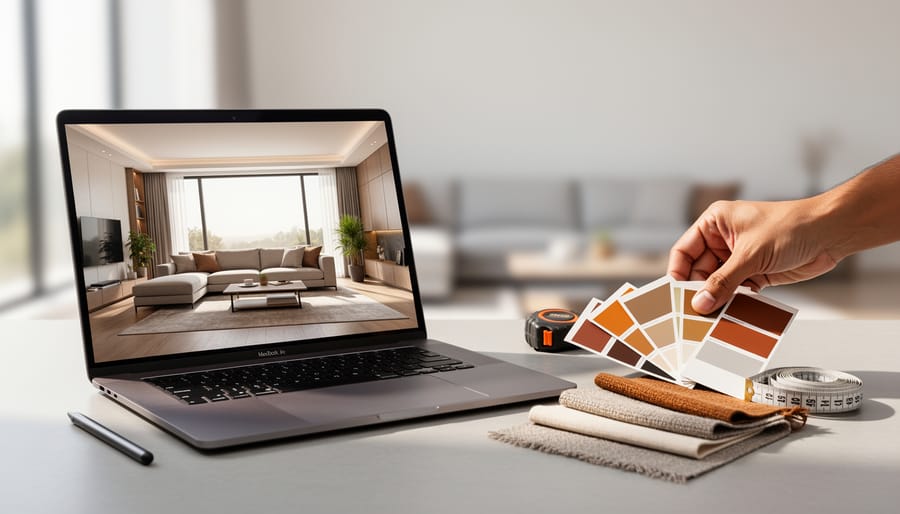
Laptop showing a 3D interior rendering on a desk with fabric swatches, paint chips, tape measure, and stylus, while a bright, modern living room with a blank wall is softly blurred in the background.

How Our Seamless Online Design Process Takes You from Blank Walls to Dream Space

Great design doesn’t happen by accident. It follows a clear, proven path that transforms your vague Pinterest dreams into a space you’ll actually love living in.

Whether you’re working with a designer for the first time or you’ve been burned by bad renovations before, understanding the design process removes the mystery and puts you in control. You’ll know exactly what’s happening at each stage, what decisions you need to make, and how your designer is working behind the scenes to bring your vision to life.

The 8-step design process isn’t some rigid formula that ignores what you want. Think of it more like a roadmap that keeps your project moving forward while leaving plenty of room for your personality and preferences. Each step builds on the last one, catching potential problems early and making sure nothing gets forgotten along the way.

Here’s what makes this approach so effective: it breaks down what could be an overwhelming project into manageable chunks. Instead of trying to pick paint colors, furniture, and lighting all at once, you tackle each decision at the right time with the right information. You’re not guessing whether that sofa will fit or hoping the colors work together. You’re seeing it all planned out before spending a dime.

Virtual design services have made this process even more accessible. You don’t need to live in a major city or clear your schedule for endless in-person meetings. The same professional framework that’s been refining beautiful spaces for decades now works around your life, your budget, and your timeline.

Step 1: Discovery Call, Getting to Know You and Your Space

Think of the discovery call as your design relationship’s first date. It’s where the magic begins, and honestly, it’s one of our favorite parts of the whole process. This isn’t a sales pitch or a formal interrogation. It’s a genuine conversation where we get to know you, your space, and what makes your home feel like, well, home.

During this virtual consultation, we’ll chat about how you actually live in your space. Do you work from home? Have kids or pets running around? Love hosting dinner parties or prefer quiet nights in? These details matter because great design isn’t just about pretty rooms. It’s about creating spaces that work beautifully for your real life.

We’ll also dive into your design preferences and challenges. Maybe you’re drawn to cozy, warm interiors but your north-facing living room feels like a cave. Or perhaps you love minimalism but can’t figure out where to hide all your stuff. This is the time to share everything, including your budget range. No judgment here. We’ve worked with every budget imaginable, and being upfront from the start helps us create solutions that actually fit your financial reality.

Tip: Before your discovery call, gather photos of your space, room measurements, any inspiration images you’ve saved, and have a budget range in mind so we can make the most of our time together.

The beauty of this initial conversation is that it removes the pressure. You’re not committing to anything except exploring possibilities. We’re building trust and understanding, figuring out if we’re the right fit for each other. By the end of our call, you’ll have a clear picture of how we can help transform your space, and we’ll have the insights needed to create a design that truly reflects who you are.

Client having virtual consultation video call with interior designer on laptop
The discovery call connects you with your designer virtually to discuss your space, lifestyle, and design goals from the comfort of home.

Step 2: Design Brief, Capturing Your Vision in Words

Once your designer has heard your ideas, seen your space, and asked all the right questions, it’s time to turn that conversation into something concrete. This is where the design brief comes in.

Think of the design brief as your project’s blueprint. Your designer takes everything you’ve discussed and creates a comprehensive document that captures your vision on paper. It’s not just notes from a meeting. This is a strategic roadmap that outlines exactly what you want to achieve, how you want your space to feel, and what practical considerations need attention.

A solid design brief typically includes your project goals, whether that’s creating a more functional kitchen or transforming a bland bedroom into a cozy retreat. It captures your style preferences, noting the colors, textures, and aesthetic direction you’re drawn to. Functional needs get documented too, like storage requirements or lighting concerns. Your budget parameters are clearly stated, and a realistic timeline maps out when things will happen.

This document serves a crucial purpose. It keeps everyone aligned throughout the project. When decisions need to be made later, you can refer back to the brief to ensure choices support your original vision. For virtual design services, this written record becomes especially valuable since you might not have daily face-to-face check-ins.

Your designer should share this brief with you for review. Read it carefully. Does it sound like your project? Does it capture what you’re hoping to create? This is your chance to clarify anything that feels off before design work begins.

Step 3: Concept Development, Where Ideas Come to Life

This is where the magic really starts to happen! Your designer takes everything learned during the consultation and discovery phase and begins translating your vision into tangible design concepts. Think of this as the creative brainstorming stage, where possibilities are explored and your space starts to take shape on screen.

Your designer will develop initial concepts that capture the style and functionality you’re looking for. This typically includes:

  • Mood boards that establish the overall aesthetic and feeling
  • Color schemes with specific paint colors and coordinating palettes
  • Layout options showing different furniture arrangements
  • Style direction that defines the design language for your space
  • Preliminary furniture selections that fit your budget and needs

The beauty of virtual design is that this exploration happens digitally, which means you get to see different directions without any commitment or costly mistakes. Want to compare a cozy, traditional living room against a sleek modern approach? Your designer can show you both. Curious if that bold navy wall will work with your existing hardwood floors? You’ll see it visualized before any paint is purchased.

This creative freedom is incredibly valuable. Designers can experiment with different furniture placements, test various color combinations, and mix styles in ways you might not have considered. The virtual environment becomes a playground for ideas, and you get a front-row seat to the creative process. You’re not guessing what something might look like or trying to imagine how pieces will work together. Instead, you’re seeing actual concepts that bring your space to life, making it easier to provide feedback and refine the direction before moving forward.

Step 4: Interactive Design Boards, Your Digital Design Playground

This is where the magic really starts to come together. Your designer creates a visual digital board that brings every element of your room into one cohesive view. Think of it as a virtual mood board on steroids, where you can see exactly how your selected sofa pairs with those throw pillows, how the paint color works with your rug choice, and whether that accent chair truly complements the overall aesthetic.

These interactive boards are designed to be user-friendly and fun to explore. You’ll see furniture pieces, fabric swatches, paint colors, lighting fixtures, and decorative accessories all arranged together. No more trying to imagine how things might look or second-guessing your choices. Everything is right there in front of you, creating a complete visual story of your future space.

The beauty of this digital approach is the collaborative aspect. You’re not just passively receiving a design and hoping for the best. You can click through the board, zoom in on details, and really examine each element. Got questions about a particular fabric choice? Want to swap that lamp for something different? You can provide feedback directly on the board, making the process incredibly efficient.

This real-time collaboration means fewer miscommunications and faster decision-making. Your designer can make adjustments based on your input and update the board so you can see changes immediately. Maybe you love the color palette but want a different coffee table style. Within days (sometimes hours), you’ll see updated options that better match your vision.

The interactive nature keeps you engaged and excited throughout the process, ensuring the final design truly reflects your personal style and needs.

Step 5: 3D Renderings, Seeing Your Space Before It Exists

This is where the design truly comes to life. After all the planning, measuring, and decision-making, you get to see your future space in photorealistic detail before anything is purchased or moved. 3D renderings aren’t just pretty pictures. They’re your chance to walk through your redesigned room visually and know exactly what you’re getting.

We’ve all been there, staring at paint swatches or fabric samples, trying to imagine how everything will look together. Your brain can only do so much. That’s why 3D visualizations are such a game-changer in the virtual design process. You’ll see your new sofa against that wall color you chose, the lighting fixtures casting their glow, the rug anchoring the space. Every element in its place, working together as a cohesive whole.

I was nervous about choosing that bold wallpaper, but seeing it in the 3D rendering made me confident it was exactly right for the space.

This is the moment that transforms uncertainty into excitement. Many people worry about making expensive mistakes or committing to a design direction that might not work out. The renderings remove that guesswork. If something doesn’t feel right, you can say so now, before you’ve spent a dime on furniture or paint. Maybe the coffee table looks too large, or you’d prefer a different accent color. These tweaks are simple at this stage.

The renderings also become your shopping blueprint. You’ll know precisely what you’re looking for and can shop with confidence. No more second-guessing whether that lamp will fit the vibe or if the curtains are the right length. Everything has been visualized, measured, and planned. You’re seeing your space before it exists, which means you can move forward knowing your investment will create the room you’ve been dreaming about.
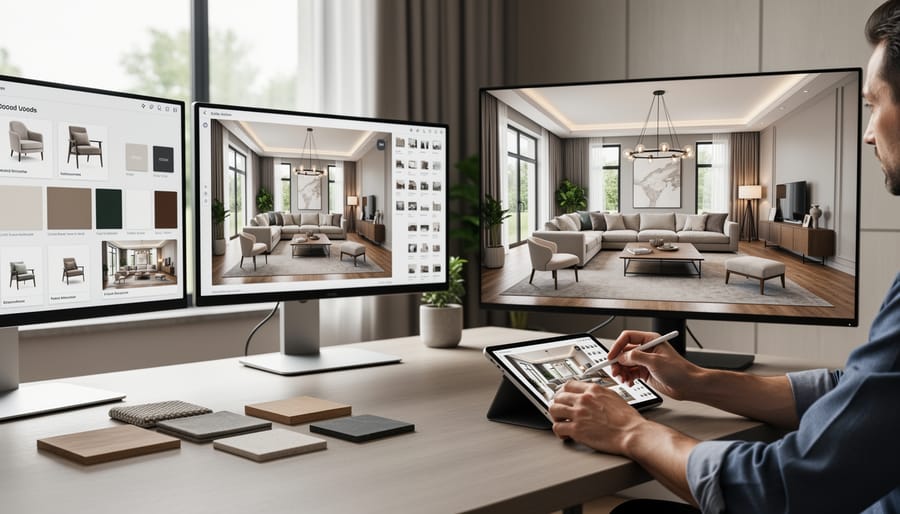
Digital tablet showing 3D room rendering next to physical design materials and color swatches
Interactive design boards and 3D renderings work together to help you visualize your space before making any purchases.

Step 6: Revision and Refinement, Perfecting Every Detail

This is where your design truly becomes yours. After reviewing the initial concept, you’ll have the chance to request changes, and we genuinely encourage it. Want to swap that accent chair for something with a different silhouette? Need the wall color a shade lighter? Prefer a different coffee table style? Let’s make it happen.

Think of this step as a conversation. You might love 90% of the design but feel uncertain about a few pieces. That’s completely normal. We’ll work together to adjust colors, exchange furniture items, or tweak layouts until everything feels just right. Maybe you’ve decided the bold pattern we suggested feels too daring, or perhaps you want to go even bolder. Both reactions are perfectly fine.

The revision process is collaborative and flexible. You’re not being difficult by asking for changes. You’re helping us understand your vision more clearly. Sometimes it takes seeing a design proposal to realize what resonates with you and what doesn’t. That’s valuable insight.

We typically go through a few rounds of refinement, and there’s no pressure to approve everything immediately. Take your time reviewing each element. Show the design to your partner or roommate. Live with the concept boards for a few days if you need to. The goal is for you to feel absolutely confident and excited about every single piece before we move forward. Your enthusiasm for the final design matters far more than rushing through approvals.

Step 7: Final Design Package, Your Complete Implementation Guide

This is where all your patience pays off. You receive a comprehensive design package that translates every decision into actionable steps you can tackle at your own pace.

Your shopping lists are organized by room and priority level, complete with direct product links to make purchasing effortless. No more wandering store aisles wondering if you’ve got the right shade of blue or the correct size rug. Each item includes the exact dimensions, colors, and quantities you need. We even provide budget-friendly alternatives for key pieces, so you have options if something goes out of stock or doesn’t quite fit your budget.

The layout plans come with precise measurements showing where every piece of furniture should go. These aren’t just pretty pictures. They’re scaled floor plans that account for traffic flow, electrical outlets, and natural light. You’ll see exactly how much space to leave between your sofa and coffee table, where to hang that artwork, and which wall gets the accent color.

Installation and styling guides walk you through the implementation process step by step. Think of them as your designer whispering helpful tips as you arrange your space. You’ll learn the proper height to hang curtains, how to layer your throw pillows for that designer look, and which items to place first for the best results.

Everything is organized into a digital package you can access from your phone while shopping or reference from your tablet while arranging furniture. You’re not left guessing or second-guessing. You have a complete roadmap that takes you from empty room to finished space with confidence.

Step 8: Implementation Support, We’re With You to the Finish Line

You’ve received your design package and placed your orders. Now the fun part begins! This is where your vision starts taking shape in real life, and we want to make sure everything goes smoothly. Our designers stay actively involved during the implementation phase because we know that turning a design plan into a finished room rarely happens without a few questions along the way.

Note: Most clients have access to designer support for 30 days after receiving their design package, with responses typically within one business day via email.

Running into issues is completely normal, and that’s exactly what this phase is for. Maybe the sofa you ordered is suddenly on backorder and you need a quick substitution. Perhaps the paint color looks different than you expected and you’re second-guessing the choice. Or you’re standing in your living room holding two throw pillows, genuinely unsure which one goes on which side of the couch. These are the real-world moments where having your designer available makes all the difference.

We help troubleshoot delivery problems, suggest alternative products if your first choice falls through, and provide styling guidance as you’re arranging furniture and accessories. Think of us as your design safety net. You’re not figuring this out alone, and you’re definitely not bothering us with questions. We genuinely want to see your space come together beautifully, and sometimes that means walking you through the final details until everything feels just right. Your success is our success, and we’re invested in getting you across that finish line.
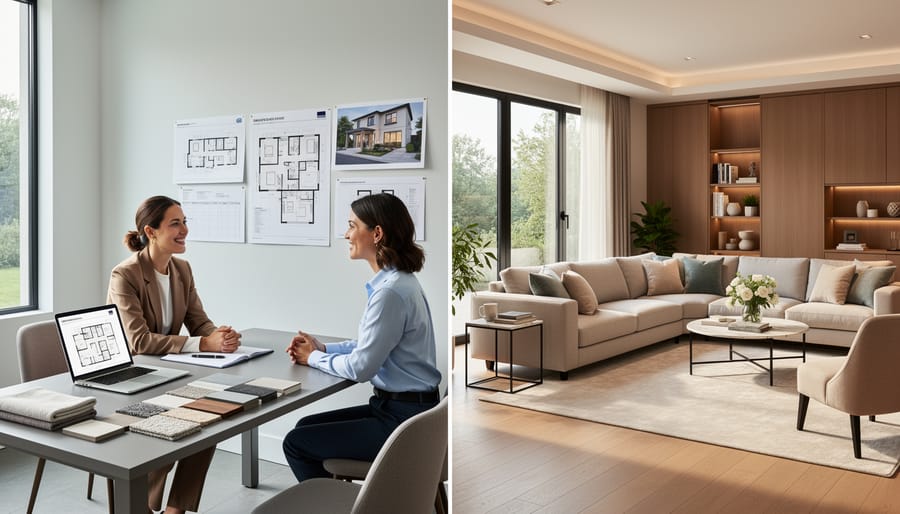
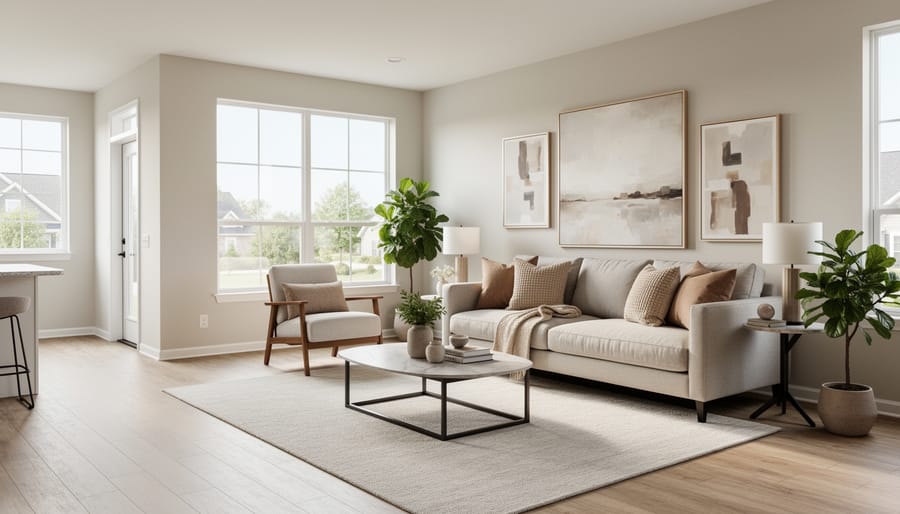
Completed living room interior showing professionally designed and implemented space
Your completed space reflects the seamless journey from initial consultation to final implementation with professional support every step of the way.

There you have it. Eight clear steps that take you from “I need help with this room” to “I absolutely love this space.” No mystery, no stress, just a straightforward path to getting the home you’ve always wanted.

The beauty of this online design process is that it puts professional design expertise within reach, no matter where you live or what your budget looks like. You don’t need to invest thousands upfront or commit to a complete home overhaul. Maybe you’re just tackling one bedroom or freshening up your living room. That’s perfect. Every project deserves thoughtful design, and this process works beautifully whether you’re redesigning a single space or planning something bigger.

What really makes this approach special is how it removes all the guesswork. You know exactly what happens next, what to expect, and how to move forward at your own pace. Design stops being this intimidating thing only other people can do and becomes something genuinely enjoyable.

Ready to see what’s possible for your space? Your design journey can start today, and you might be surprised at how simple and fun the process actually is. Take that first step. Your dream room is closer than you think.
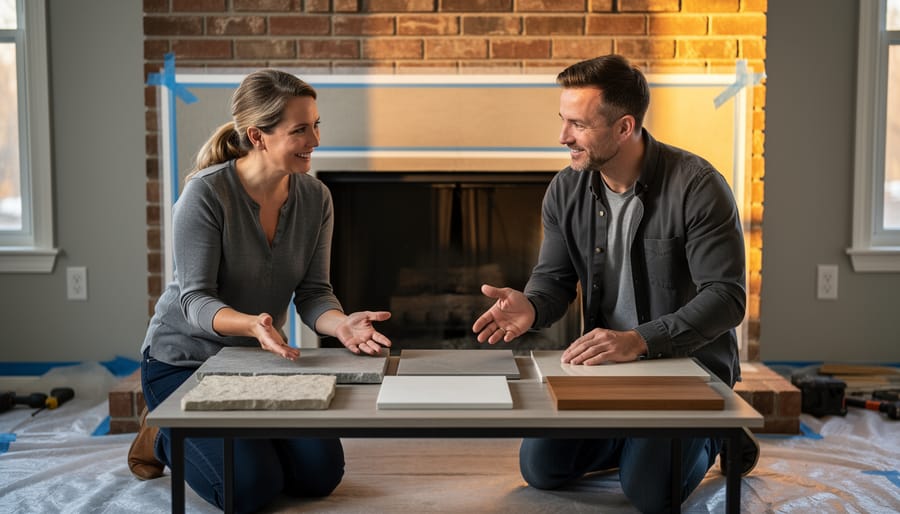
Homeowner and design consultant kneel by a hearth, reviewing stone, tile, and wood mantel samples on a coffee table before a partially restored brick fireplace, with tools and a taped surround outline softly blurred in the background.

Your Fireplace Deserves Better Than a Band-Aid Fix

Restoring a fireplace is more than fixing bricks and mortar. You’re making decisions that will shape your room’s character for decades, and getting those choices wrong means living with regret every time you walk past your hearth. Online design consultations bring professional guidance directly to your restoration project, helping you avoid costly mistakes before construction even begins.

The beauty of virtual fireplace design consultations is that you can work with specialists who understand both the structural requirements of restoration and the aesthetic impact of every detail. You’ll explore mantel styles, surround materials, hearth configurations, and finish options through shared images and video walkthroughs, all while ensuring your vision aligns with building codes and safety standards. This approach saves you from the common pitfall of choosing materials that look stunning in a showroom but clash terribly with your home’s architecture.

Most homeowners starting a restoration feel overwhelmed by the sheer number of decisions. Should you match the original design or modernize? What stone or tile works with your existing décor? How do you balance historical accuracy with contemporary comfort? A design consultation answers these questions with personalized recommendations based on photos of your actual space, your budget, and how you plan to use the fireplace.

The process typically starts with a simple assessment where you share photos and measurements of your current fireplace. Whether you need chimney repair Clearwater services or a complete rebuild, your designer creates a tailored plan that addresses both function and beauty, giving you confidence before contractors arrive.

Why Your Chimney Restoration Needs a Design Consultant (Not Just a Contractor)

Here’s the thing about chimney restoration: most contractors focus solely on the mechanics. They’ll make sure your flue is safe, your masonry is sound, and everything meets International Residential Code standards. That’s absolutely essential, but it’s only half the picture.

A design consultant bridges the gap between a structurally sound chimney and a fireplace that actually belongs in your home. Think about it: your fireplace is often the focal point of your room. When restoration work happens without design input, you might end up with a perfectly functional chimney wrapped in materials or finishes that clash with everything else you’ve worked hard to create.

This is where online design consultation becomes so valuable for restoration projects. A designer looks at your entire space, considers how you’re styling your living space and helps you make decisions about materials, mantels, hearth design, and finishes before the work begins. Should you keep that original brick exposed or paint it? What style of mantel works with your modern farmhouse aesthetic? How can you incorporate updated tile around the firebox without looking dated in five years?

Contractors are masters at structural work. Designers are experts at making sure that work fits beautifully into your home’s overall look and feel. You need both perspectives working together.

The best part about virtual design consultations for chimney restoration is that you get professional guidance on all these aesthetic decisions without the designer needing to be on-site during construction. You’ll have a clear design plan in hand before work starts, complete with material selections, color choices, and style direction. Your contractor gets clear specifications, and you avoid that sinking feeling of realizing too late that your restored fireplace doesn’t match your vision for the room.

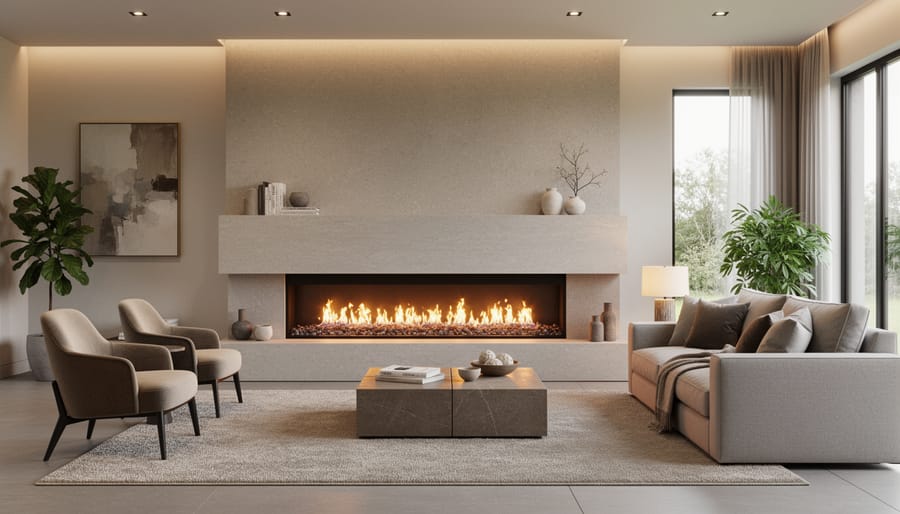
Elegantly designed fireplace with marble surround and wood mantel in contemporary living room
A professionally designed fireplace serves as both a functional heating element and a stunning focal point that elevates your entire living space.
Person participating in virtual fireplace design consultation on tablet device
Online fireplace design consultations allow you to receive expert guidance from the comfort of your home through video calls and photo sharing.

What Happens During an Online Fireplace Design Consultation

Curious about how you can get expert design help for your fireplace restoration without anyone needing to step foot in your home? Our online design process makes it surprisingly simple to connect with a designer who understands both the structural considerations of chimney work and the aesthetic vision you’re hoping to achieve.

Here’s how a typical online fireplace design consultation unfolds:

  1. You’ll start by sharing photos of your current fireplace from multiple angles, including close-ups of any damaged areas, the surrounding space, and the overall room layout. Don’t worry about professional photography. Good smartphone pictures work perfectly.
  2. Next comes measurements. Your designer will guide you on exactly what to measure, typically including the fireplace opening, mantel dimensions, hearth depth, and wall space. A simple measuring tape is all you need.
  3. During your video call or through detailed questionnaires, you’ll discuss your restoration goals. Are you dealing with crumbling bricks? A smoke-stained mantel? This is where you share what’s broken and what’s bothering you aesthetically.
  4. Your designer will ask about your style preferences, showing you inspiration images and discussing finishes, materials, and colors that complement your home’s existing design.
  5. You’ll receive a comprehensive design plan that addresses both the restoration requirements and your aesthetic goals, complete with product recommendations, finish selections, and layout suggestions.

Throughout this process, your designer acts as a bridge between the practical restoration work your chimney professional will handle and the finished look you’re dreaming about. They’ll evaluate your photos to understand the scope of restoration needed, then translate those requirements into beautiful design choices.

The best part? You can have these conversations from your couch, save all the visual materials in one digital space, and revisit recommendations whenever you need them. Many homeowners find they communicate more clearly about their vision when they have time to think through questions rather than feeling put on the spot during an in-person visit.

This collaborative approach ensures your restored fireplace becomes a stunning focal point rather than just a fixed problem.

Design Decisions That Make or Break Your Restoration Project

Mantel and Surround Selection

Your mantel and surround are the frame around your fireplace, so they need to complement both your home’s architectural style and your personal taste. During your online consultation, you’ll explore options that match your space, whether you’re restoring a Victorian beauty or modernizing a mid-century gem.

Traditional homes often shine with wood mantels featuring carved details or classic molding. Stone surrounds create drama and work beautifully in both rustic and contemporary settings. If you prefer clean lines, a simple painted wood surround or sleek tile can transform your fireplace into a modern focal point.

Your designer will help you consider practical factors too. Different materials require specific clearances from the firebox opening, and you’ll want to understand fireplace clearance code requirements before finalizing your choice. They’ll also suggest proportions that fit your room’s scale, so your new mantel doesn’t overwhelm a small space or disappear in a large one.

Through virtual design tools, you can preview different styles against photos of your actual room. This makes it easier to commit to the perfect combination that feels authentically you.

Material Choices That Last

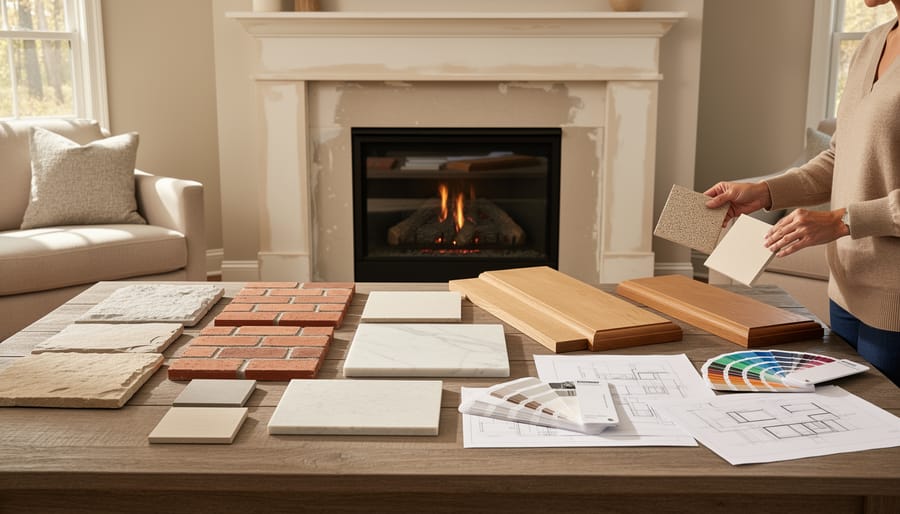
Choosing the right materials for your restored fireplace makes all the difference between a quick fix and a long-term investment you’ll love for decades. During your online design consultation, we’ll guide you through options that balance beauty with serious durability.

For fireplace interiors, firebrick remains the gold standard. It’s engineered to handle extreme temperatures without cracking or deteriorating. If you’re after something more decorative, refractory panels come in various finishes and can mimic natural stone while providing excellent heat resistance.

Your hearth and surround deserve equally thoughtful consideration. Natural stone like granite, slate, or limestone brings timeless elegance and stands up beautifully to heat exposure. Each stone has unique character, so we’ll help you find one that complements your home’s style. Marble works wonderfully too, though it requires a bit more care to maintain its pristine appearance.

For surrounds, cast stone offers the look of carved limestone at a more accessible price point. Tile is another fantastic choice, giving you endless design possibilities while remaining completely practical. Think handmade ceramic tiles for a craftsman feel or sleek porcelain for contemporary spaces.

Through virtual consultations, we can show you material samples, discuss maintenance requirements, and help you visualize how different choices will transform your space.

Various fireplace material samples including stone, tile and wood displayed on design plans
Selecting the right materials for your fireplace restoration ensures both durability and timeless beauty that complements your home’s style.

Color and Finish Coordination

Your fireplace doesn’t exist in isolation. It’s part of a complete room story, and choosing the right colors for your restored mantel and surround makes all the difference between a standout feature and an awkward eyesore.

During your online consultation, your designer will look at your room’s existing palette and help you decide whether your fireplace should blend harmoniously or make a bold statement. Love a contemporary style? A sleek black finish might be perfect. Prefer something softer? Warm neutrals or painted brick could be your answer.

The finish matters too. Matte surfaces feel relaxed and modern, while glossy tiles add drama and light reflection. Your designer can show you samples virtually and recommend finishes that match your room’s vibe and your lifestyle needs. After all, a beautiful fireplace should feel like it’s always belonged there.

Common Fireplace Restoration Scenarios Where Design Consultation Saves the Day

Let’s look at some situations where having a designer’s eye during your fireplace restoration can transform a challenging project into something you’ll love for years to come.

The 1970s Brick Behemoth
That wall-to-wall orange brick fireplace taking over your living room doesn’t have to be demolished. A design consultant can show you how painting, limewashing, or adding a modern mantel can completely transform the look while preserving the structure and function.
The Damaged Mantel Dilemma
When your beautiful original mantel has fire damage, water stains, or missing pieces, a designer helps you decide between restoration and replacement. They’ll match your home’s architectural style and keep the character you love.
The Post-Renovation Style Clash
You’ve updated your kitchen and living spaces, but now your traditional fireplace looks completely out of place. Virtual design consultation helps bridge the old and new, creating cohesion without starting from scratch.
The Non-Functional Focal Point
Converting a broken or unsafe fireplace into a stunning design feature requires creative vision. Designers can suggest everything from built-in shelving to decorative screens that maintain the architectural interest.

These scenarios pop up constantly in real homes, and they’re exactly where online design consultation shines. Take the homeowner who just finished a gorgeous modern farmhouse renovation but was stuck with a dark wood fireplace from the 1980s. Through virtual consultation, their designer suggested a soft white paint treatment for the brick, a custom floating mantel in reclaimed wood, and simple tile work around the firebox. The result? A fireplace that feels original to the home’s new aesthetic without the expense of rebuilding.

Or consider the couple facing a crumbling Victorian mantel. Yes, restoration was possible, but their designer pointed out that the room’s layout had changed over the years and the proportions no longer worked. Together they found a salvaged mantel from the same era that better suited the space and their budget.

The beauty of getting design input during restoration is that you’re not just fixing what’s broken. You’re making intentional choices about how this major focal point will serve your home for decades ahead. Sometimes that means preserving original details. Other times it means bold changes that honor your home’s bones while reflecting how you actually live.

How to Prepare for Your Virtual Consultation

A little preparation goes a long way in making your virtual consultation productive and exciting. Think of it as gathering everything your designer needs to understand your space and vision.

Start by taking photos of your fireplace from multiple angles. Capture the entire wall, close-ups of any damage or concerns, and wide shots showing how the fireplace relates to the rest of your room. Natural lighting works best, so snap those pictures during the day. Don’t worry about making everything picture-perfect! We need to see the real situation, including any cracks, discoloration, or structural issues that need addressing during restoration.

Measurements are your next step. You’ll want the height and width of your fireplace opening, the dimensions of the surrounding mantel or stone work, and the overall wall measurements. Even rough measurements help us understand scale and proportion.

Create a quick list or photo documentation of specific problems you’ve noticed. Is the chimney drafting poorly? Are there loose bricks? Does smoke sometimes enter the room? These details help us address both safety and design concerns.

Now for the fun part: gather inspiration! Screenshot images from Pinterest or Instagram that speak to you. Maybe you love sleek modern surrounds, or perhaps rustic stone feels more like home. These visuals help us understand your style preferences better than words alone.

Finally, think about your budget range. Restoration projects vary widely in scope, and knowing what you’re comfortable spending helps us recommend realistic solutions. Remember, there’s no judgment here. We work with all kinds of budgets and love finding creative ways to make your fireplace dreams happen within your means.

Working with Contractors: How Design Plans Streamline Your Restoration

One of the biggest advantages of getting a professional design plan before you start your chimney restoration? You’ll actually be speaking the same language as your contractor. Instead of trying to describe what you envision with vague phrases like “something classic but modern,” you can hand over detailed plans that show exactly what you want. This clarity saves time, prevents misunderstandings, and keeps your project moving smoothly.

Think about it. Your contractor needs to know specific measurements, material choices, and structural requirements. A comprehensive design plan includes all these details upfront, so you’re not making expensive decisions on the fly or realizing halfway through that your vision doesn’t match reality. Your contractor can give you accurate quotes, spot potential challenges early, and order the right materials the first time around.

The financial benefits are real too. When contractors bid on a project with clear specifications, you get more accurate estimates and fewer surprise costs. You won’t face that awkward moment when you say “I thought we agreed on stone veneer” and they reply “I assumed you meant brick.” Everything is documented and visual.

Plus, your contractor will appreciate working from a solid plan. It shows you’re serious and organized, which often translates to better attention and service. They can focus on quality craftsmanship instead of constant back-and-forth about design decisions. Everyone stays aligned on the final vision, which means your restored fireplace will actually look like what you dreamed about.

Your fireplace deserves to be more than just functional. It should be the warm, inviting centerpiece that draws your family together and catches the eye of every guest who walks through your door. That’s exactly what happens when you combine expert design consultation with proper chimney restoration.

The beauty of online consultations is that professional guidance no longer requires weeks of waiting or a hefty retainer. You can get personalized design advice from experienced professionals who understand both the technical requirements of safe chimney restoration and the aesthetic possibilities that will transform your space. These virtual sessions put expert knowledge right at your fingertips, often at a fraction of traditional consultation costs.

Think of this as an investment in your home’s safety and style. A properly restored chimney with thoughtful design choices protects your family while creating that cozy atmosphere you’ve been dreaming about. The process doesn’t have to feel overwhelming or break your budget. With the right guidance, you can make informed decisions about materials, finishes, and design elements that reflect your personal style.

Ready to give your fireplace the attention it deserves? An online consultation can help you see the full potential of your space and ensure your restoration project turns out exactly as you imagined.

Tablet showing a digitally furnished living room held in front of the same room empty, with wood floors, neutral walls, a large window, and a few moving boxes in soft natural daylight.

Empty Rooms Are Costing You Money: Why Virtual Staging Wins Before Your Lease Ends

Facing the end of your fixed-term mortgage and wondering how to make your property shine for potential buyers without breaking the bank? Virtual home staging offers a brilliant solution that transforms empty or tenant-worn spaces into irresistible homes—all through digital magic. When you’re selling your property at end of fixed term mortgage, timing is everything, and traditional staging can eat into your budget with furniture rental, storage, and installation costs that quickly spiral.

Virtual staging changes the game completely. Professional designers digitally furnish your photos, creating warm, inviting spaces that help buyers envision themselves living there—without moving a single piece of furniture. This means no disruption to current tenants, no waiting for lease end to stage, and photos ready for your listing within days rather than weeks.

The best part? You’ll spend a fraction of traditional staging costs while still capturing that emotional connection buyers need to make competitive offers. Whether your property is sitting empty after tenants move out or you need marketing materials prepared before lease end, virtual staging lets you present your home at its absolute best. This approach perfectly suits the unique pressures of selling at a fixed-term transition—you need quick results, professional presentation, and cost control all working together to achieve the sale price your property deserves.

What Is End-of-Lease Virtual Home Staging?

Picture this: your tenant has just moved out, and you’re staring at rooms full of potential but completely empty. That’s where end-of-lease virtual home staging comes in, and it’s honestly a game-changer for property owners in your exact situation.

Virtual staging is a creative digital solution where professional designers take photos of your vacant rooms and use specialized software to furnish and decorate them beautifully. Think of it as Photoshop magic meets interior design expertise. Instead of hauling in physical furniture, paying monthly rental fees, and coordinating deliveries, everything happens digitally on your computer screen.

Here’s how it works in your specific scenario. Once your lease ends and the property is empty and cleaned, a photographer captures high-quality images of each room. These photos then go to virtual staging designers who digitally add furniture, artwork, rugs, lighting, and all those finishing touches that make a house feel like a home. The entire process typically takes just 24 to 72 hours, which means you can have marketing-ready images almost immediately after your tenant moves out.

The timing couldn’t be more perfect for your situation. That window between lease end and listing your property is ideal because you have complete access to the empty space for photography without coordinating around tenant schedules. Plus, there’s no risk of damage to rented furniture or awkward showings with staged items in the way.

The final digitally furnished images look incredibly realistic and showcase your property’s full potential to buyers browsing online listings. It’s an affordable, fast, and flexible way to make your vacant rental shine in a competitive market without the headaches of traditional staging.

Side-by-side comparison of empty room versus same room with virtual staging showing modern furniture
Virtual staging transforms empty rental properties into inviting spaces that help potential buyers visualize the home’s potential without the cost of physical furniture.

The Real Problem with Selling Empty Rental Properties

Why Empty Rooms Make Buyers Walk Away

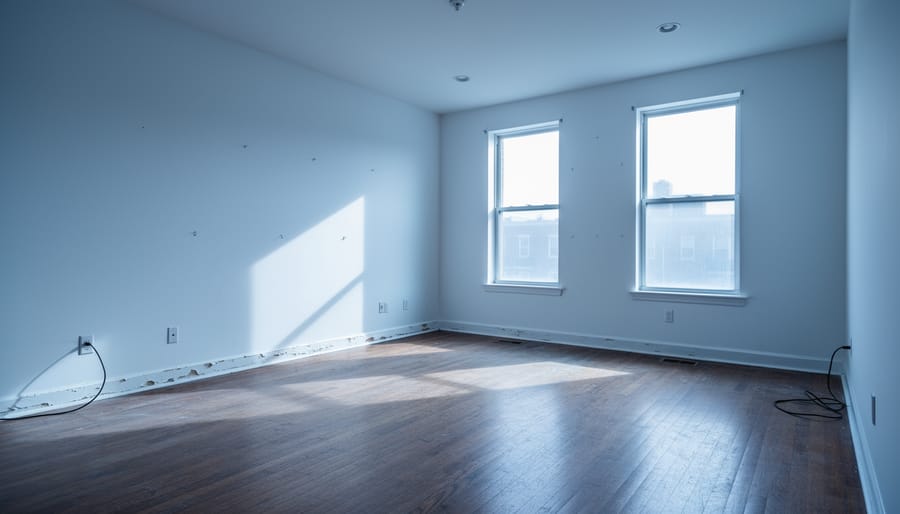
When potential buyers walk into an empty room, something surprising happens—their imagination shuts down rather than opens up. It’s counterintuitive, isn’t it? You’d think a blank canvas would inspire possibilities, but the reality is quite different.

Vacant spaces feel cold and unwelcoming. Without furniture to provide scale, rooms often appear smaller than they actually are, and buyers struggle to understand how spaces flow together. That odd corner? It just looks awkward when it’s empty, but with the right virtual staging, it becomes a cozy reading nook or stylish workspace.

Here’s the real challenge: buyers need emotional connection to make offers, and empty rooms simply don’t spark that feeling. They can’t envision their morning coffee routine in a kitchen without a table, or picture family movie nights in a living room that echoes with every footstep.

This emotional disconnect directly impacts your bottom line. Properties sit on the market longer, and buyers often make lower offers because they can’t see the potential. When you’re working with an end-of-lease timeline, every extra week on the market adds pressure. Virtual staging bridges this gap beautifully, giving buyers the context they need to fall in love with your space.

Empty vacant apartment living room with white walls and hardwood floors showing uninviting bare space
Empty rental properties at lease end often feel cold and uninviting, making it difficult for potential buyers to envision the space as their future home.

The Timing Advantage You Already Have

Here’s the perfect silver lining to your lease ending: you’ve got a completely empty space to work with. No coordinating schedules with tenants, no working around their furniture and belongings, and no awkward showings where potential buyers have to imagine past someone else’s lived-in clutter.

This timing creates an incredible opportunity that many sellers don’t even realize they have. An empty property is actually the ideal canvas for virtual staging. Your photographer can capture clean, unobstructed shots of every room, showing off the true space and natural light without distraction. These pristine images become the foundation for creating stunning virtually staged photos that help buyers instantly envision themselves living there.

Think of it this way: when your lease ends, you’re not just facing an empty property problem. You’re actually holding a blank slate advantage. Instead of rushing to find new tenants or selling a space that photographs like a sad, empty box, you can transform those vacant rooms into beautifully designed spaces that appeal to buyers’ emotions and help them see the full potential. The timing isn’t just convenient; it’s strategically perfect for showcasing your property at its absolute best.

How Virtual Staging Transforms Your Pre-Sale Strategy

The Money You’ll Save (And Where to Spend It Instead)

Let’s talk numbers, because this is where virtual staging really shines. Traditional physical staging typically costs between $2,000 and $6,000 per month, depending on your home’s size and location. That includes furniture rental, delivery, setup, and removal. If your lease ends and you need a quick turnaround, you’re still looking at a minimum month-long commitment.

Virtual staging, on the other hand, ranges from just $29 to $199 per room. For an entire three-bedroom home, you could spend around $400 to $600 total and have your professionally staged photos ready within days. That’s a savings of at least $1,400, even at the low end of physical staging costs.

Here’s the exciting part: that money you save can go toward things that actually increase your sale price. Consider putting those savings into minor repairs, a fresh coat of paint in neutral tones, or professional photography to capture your virtually staged spaces. These investments directly impact buyer perception while keeping your budget manageable. The return on investment speaks for itself when staged homes typically sell 73 percent faster and often at higher prices than unstaged properties.

Speed Matters When Your Lease Clock Is Ticking

Time is precious when you’re racing against a lease-end deadline, and here’s the good news: virtual staging moves at the speed you need. While traditional physical staging can take two to three weeks to schedule, coordinate furniture rental, and set up, virtual staging delivers results in just a few days—sometimes even 48 hours.

This rapid turnaround means you can list your property almost immediately after your tenant moves out, rather than watching valuable marketing days slip away. You’ll simply provide photos of your empty space, work with a designer to select the perfect furniture and décor style, and receive professionally staged images ready for your listing. No waiting for delivery trucks, no coordinating multiple vendors, and no last-minute scheduling headaches. For anyone feeling the pressure of that approaching lease-end date, this streamlined timeline transforms what could be a stressful rush into a manageable, efficient process that keeps your sale on track.

Show Different Styles to Different Buyers

Here’s the beauty of virtual staging—you’re not locked into just one look! When you’re selling at the end of a lease, you can’t physically redecorate multiple times, but virtual staging lets you showcase the same space in completely different ways. Think of it as giving potential buyers a personalized preview based on what they’re looking for.

Your designer can create several versions of the same room: maybe a modern minimalist living room for buyers who love clean lines, a cozy farmhouse kitchen for those seeking warmth, or even explore contemporary design styles for trend-focused buyers. This approach is especially helpful when styling specific spaces that could serve multiple purposes.

Your real estate agent can then share different versions with different buyer demographics, maximizing your property’s appeal across the board. It’s like having multiple show homes without the expense or hassle—just smart, flexible marketing that speaks directly to what each buyer envisions for their future home.

What the Virtual Staging Process Actually Looks Like

Getting Your Space Photo-Ready

Before your photographer arrives, you’ll want your empty space looking its absolute best—think of it as creating the perfect blank canvas. Start with a thorough deep clean, paying special attention to windows, floors, and baseboards. Natural light is your best friend here, so open all curtains and blinds to flood rooms with sunshine. If your property has dingy walls or outdated paint, consider a fresh coat in neutral tones; proper color choices can dramatically improve how spaces photograph.

Check every light bulb and replace any that are burnt out—well-lit rooms photograph beautifully and feel more inviting. Remove any personal items, clutter, or leftover moving boxes that might distract from the space itself. Small details matter too: wipe down light switches, clean air vents, and ensure all doors open smoothly.

Don’t worry if the space feels sterile or cold at this stage—that’s exactly what you want! Virtual staging will add all the warmth and personality later. Your goal is simply providing clean, bright, well-maintained spaces that showcase the property’s true potential and give your staging professional the best foundation to work with.

Working with Your Designer on the Vision

Working with a virtual staging designer is easier than you might think, and it all starts with a simple conversation about who you’re trying to reach. During your initial virtual consultation, you’ll chat with your design team about your property’s best features and, most importantly, who your ideal buyer is. Are you targeting young professionals looking for their first home? Growing families needing space? Downsizers seeking low-maintenance living? This matters because your designer will create a vision that speaks directly to that buyer’s lifestyle and dreams.

Don’t worry if you’re not sure how to articulate your target market. Your design team will ask helpful questions about your property’s location, price point, and neighborhood vibe to guide the conversation. They might ask about nearby amenities, school districts, or local attractions to better understand who naturally gravitates to your area.

Be ready to share photos of your empty space from multiple angles, and feel free to voice any ideas or concerns you have. Maybe you’ve noticed similar properties in your building that sold quickly, or perhaps you have thoughts about what style feels right. Your insights are valuable! This is a true collaboration, not a one-sided process.

The beauty of virtual staging is that you can request revisions if something doesn’t feel quite right. Your designer wants to nail the vision just as much as you do, so open communication throughout the process ensures you’ll end up with images that make buyers stop scrolling and start scheduling viewings.

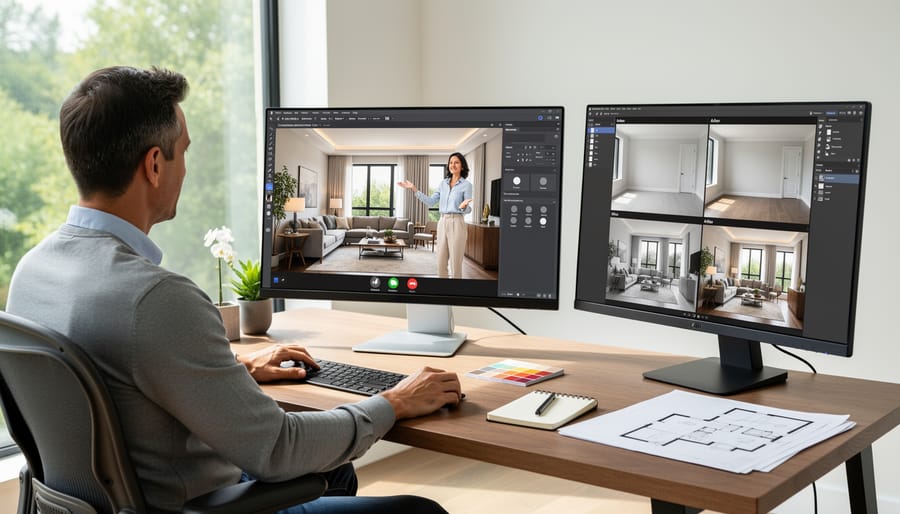
Property owner reviewing virtual staging designs on laptop computer at home
The virtual staging process is straightforward and collaborative, allowing property owners to work with designers remotely to create the perfect look for their target buyers.

Making Virtual Staging Work for Your Property Type

Small Spaces Need Different Staging Strategies

When you’re dealing with a compact apartment or cozy condo, virtual staging becomes your secret weapon for making every square foot count! The beauty of digital staging for smaller spaces is that you can showcase clever furniture placement without the physical limitations of actually moving pieces around.

Start by choosing appropriately scaled furniture in your virtual staging. Oversized sofas or bulky dining sets can make a small room feel cramped, even digitally. Instead, opt for streamlined pieces that show off the functionality of the space without overwhelming it. Think sleek armchairs instead of massive sectionals, and consider floating furniture away from walls to create better flow.

Light, neutral colors work wonders in compact areas, helping rooms feel more open and airy. Virtual staging lets you experiment with different color palettes instantly, so you can find that perfect balance between personality and spaciousness.

Don’t forget those design details that add character without clutter. A well-placed mirror, strategically staged lighting, or a single statement piece can transform the entire vibe. If you’re looking for more inspiration on decorating smaller spaces, remember that virtual staging gives you unlimited do-overs to get it just right!

Investment Properties Deserve Love Too

If you own investment properties, virtual staging becomes even more brilliant from a financial standpoint. Think about it: you’re already in the business of maximizing returns and minimizing expenses, right? Virtual staging fits perfectly into that strategy.

With investment properties, you’re likely juggling multiple units or planning your next purchase. Traditional staging costs can quickly eat into your profit margins, especially when you’re staging between tenants. Virtual staging lets you present each property beautifully for a fraction of the cost, typically ranging from $30 to $150 per room compared to thousands for physical staging.

Here’s a smart approach for investment properties: create a library of virtually staged images that showcase each property’s potential. These can be reused across different marketing platforms and even repurposed if the property comes back on the market later. You’re essentially creating marketing assets that keep working for you.

The beauty is that potential buyers can see themselves living there without any confusion about whether furniture stays or goes. Everything’s clearly digital, which actually simplifies the transaction. Plus, you can stage quickly between lease end and listing, keeping your property’s vacancy period wonderfully short. Time is money in real estate investing, and virtual staging respects both.

Common Mistakes to Avoid with Virtual Staging

While virtual staging offers incredible potential for end-of-lease properties, there are a few common pitfalls worth avoiding to ensure you get the best results and maintain trust with potential buyers.

The biggest mistake? Going overboard with the staging. It’s tempting to create that magazine-worthy look, but remember—the goal is to help buyers visualize living in the space, not to create unrealistic expectations. If you virtually stage a modest rental with luxury furniture and high-end finishes that don’t match the property’s actual value, you’ll likely disappoint viewers when they arrive for inspections. Keep it authentic to your property’s price point and character.

Another misstep is choosing styles that clash with the property type. A sleek, ultra-modern setup might look gorgeous in your head, but if you’re selling a charming cottage-style home, that disconnect will feel jarring to buyers. The virtual furniture and décor should enhance what’s already there, not fight against the property’s natural personality.

Image quality matters more than you might think. Blurry photos or poorly lit rooms won’t do your virtually staged furniture any favors. Even the most beautiful virtual staging can’t rescue a low-quality base image, so invest time in capturing bright, clear, well-composed photographs before staging begins.

Here’s the non-negotiable: always disclose that images are virtually staged. This isn’t just ethical—it’s often legally required. A simple note like “Images digitally staged” in your listings protects everyone involved and maintains buyer trust. Transparency actually works in your favor, showing you’re tech-savvy and honest about the property’s current condition while helping them see its potential. This straightforward approach keeps the process positive and builds confidence rather than creating disappointment.

As your lease draws to a close and you’re preparing to sell, virtual staging offers a smart, budget-friendly way to showcase your property’s full potential without the stress of traditional staging logistics. You’re already juggling the timing of lease end and property sale—why add the complexity of moving furniture in and out? With virtual staging, you get professional design expertise that transforms empty or outdated spaces into inviting homes that buyers can instantly envision themselves living in.

The beauty of this approach is that it works with your timeline, not against it. You can stage multiple rooms for less than the cost of renting furniture for even one space, and the entire process happens digitally, meaning no coordination headaches with movers or concerns about damage to your property. Plus, you’ll have market-ready listing photos in days, not weeks.

Ready to see what virtual staging can do for your property? The process is simpler than you might think, and professional design help is more accessible than ever. You don’t need a massive budget or complicated arrangements to present your home beautifully. Take that next step and explore how virtual staging can help you sell faster and more profitably as your lease comes to an end. Your future buyer is out there, and great design will help them find you.