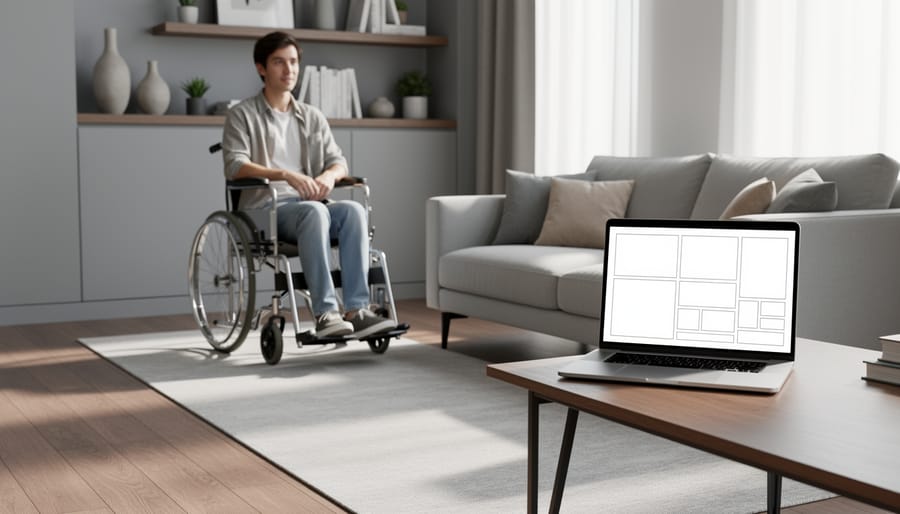
How to Choose Z Interiors for Accessible Design: A Buying Guide
“Z Interiors” could mean a specific local business, or it could simply be the search that gets you started on a bigger question: how do I get good interior design help without overspending? This guide focuses on the second one, because that’s where we can actually be useful. If you’re hunting for a particular company by name, check its own website or reviews directly. If you’re exploring your options, keep reading.
The short answer is that the right design help is the kind that fits your space, your budget, and the way you live. Today that often means a virtual designer, someone who works with you online, builds a plan around your room and your taste, and costs far less than an in-person studio. It works for a full living room refresh and just as well for a single awkward corner.
You don’t need a big budget or a big project to qualify. A rental bedroom, a dull entryway, a sofa wall that never feels finished: all fair game.
Below, we’ll walk through the key factors to weigh, compare the main types of design help, share our recommendations, and flag the common mistakes that cost people time and money.
What “Z Interiors” Usually Means (and Why It Pays to Look Closely)
If you searched “z interiors,” you’ve probably noticed something right away: the name shows up in more than one place. That’s because several unrelated businesses use a similar name. Some are local showrooms or furniture retailers. Others are full-service design studios, and a few are online consultancies that work entirely over video and email. They may share a name, but they can offer very different services, price points, and ways of working.
That’s why it pays to look a little closer before you commit. Take a few minutes to confirm exactly which business you’re looking at. Check what they actually offer: Do they sell products, create custom design plans, or both? Do they take on single-room projects? How do they handle pricing? A quick look at their website, services page, and process can save you from signing up for something that isn’t what you pictured.
Since this guide is about choosing help with your space, we’ll look at it through the lens of accessible design. Here, “accessible” means a few things working together. It’s affordable, so a great-looking home doesn’t require a huge budget. It’s easy to work with, meaning clear communication and no confusing jargon. And it’s thoughtful about how people of all ages and abilities move through and use a room, from comfortable pathways to lighting you can actually live with. Hold onto that definition, because it will guide everything that follows.
Key Buying Factors: What to Look for in an Accessible Design Partner
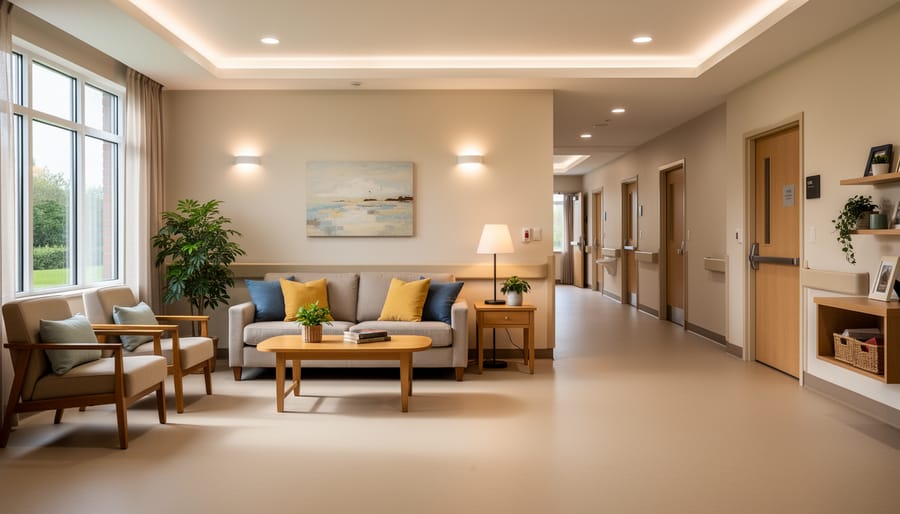
Budget and Pricing: Know What You’re Paying For
Design pricing usually falls into three buckets, and knowing them makes quotes much easier to compare. A flat fee means one set price for a defined project, like a single room, so there are no surprises. Hourly pricing charges for the time spent, which suits quick advice or a few small questions. Product markup means the designer earns money on the furniture and decor you buy through them, so the design itself may look cheap while the items carry the cost.
None of these is better than the others. What matters is that you can see what you’re paying for.
Before you commit, bring these questions to your first conversation:
- What exactly is included in the scope, and what costs extra?
- How many revisions or design rounds do I get?
- Is pricing flat, hourly, or tied to product purchases?
- Will I see layouts or 3D renderings before I buy anything?
- What is the expected timeline from start to finish?
Please don’t assume your project is too small to matter. A single room or a tight budget deserves the same care and attention, and good design is possible at almost any price point.
I notice the section details didn’t come through. The word count, section description, and internal links all arrived as “undefined” or empty, and the section has no title, so I don’t know which part of the outline to write.
Could you tell me which section you’d like (for example, Section 1 introduction, Section 3.2, or Section 5), plus the target word count and any internal links with their anchor phrases? Once I have that, I’ll write it in the friendly, accessible voice of A Design Difference.
If you’d rather I choose, I can draft Section 1, the answer-first introduction, at around 150 to 200 words. Just say the word.
Types Compared: Showrooms, Full-Service Studios, and Virtual Design

Getting help with your space usually comes down to three routes: a showroom, a full-service studio, or virtual design. Each can work well, so the right pick depends on your project, your budget, and how you like to plan.
A showroom lets you see, touch, and sit on furniture before you buy. That matters for accessibility, since seat height, firmness, and arm support are hard to judge from a photo. The tradeoff is that advice is often tied to what’s on the floor, and you’ll need to travel and carve out the time.
A full-service studio typically handles everything, from the layout to sourcing to managing installers. It’s a great fit for big renovations or anyone who wants to hand off the details. Expect a higher investment, and ask early whether smaller projects are welcome.
Virtual design brings a designer into your home through video consultations, interactive design boards, and 3D renderings. You show your space on camera, share your goals, and get a personalized plan without anyone leaving the house. It suits renters, busy households, and anyone who’d rather plan from the couch. Research on interactive 3D design tools points to how helpful it is to visualize a room before making changes.
| Service type | Best for | Typical cost range | Pros to expect | Key consideration |
|---|---|---|---|---|
| Showroom | Testing furniture in person | Often low to moderate, since advice may be bundled with purchases | Hands-on comfort checks, immediate selection | Guidance may center on in-store products |
| Full-service studio | Whole-home or renovation projects | Generally moderate to high | End-to-end management, custom solutions | Confirm minimum project sizes and fee structure |
| Virtual design | Single rooms, renters, remote planning | Often more flexible and budget-friendly | Convenient, visual, highly personalized | You’ll handle ordering and setup yourself |
None of these is the “best” choice for everyone. Many people mix them, for example planning virtually and then visiting a showroom to test a sofa. If online help appeals to you, it’s worth learning how to choose online services that fit your needs. It also helps to understand what is seamless design so you can describe the flow and feel you want from your space.
Whichever route you take, look for someone who listens first and explains their reasoning in plain language.
Our Recommendations: Matching the Right Option to Your Situation

A quick note on how we chose these picks. We weren’t running lab-style tests here. We looked at four things that matter in real homes: how affordable each approach is, how well it supports accessibility, how personalized the result feels, and how easy it is to actually use. Those lenses keep the advice grounded in everyday life rather than showroom fantasy.
Refreshing a single room on a tight budget. A virtual design package or a flat-fee consultation is usually your best bet. You get a clear plan, a shopping list, and a layout without paying for a full-service project. Smaller projects deserve full attention, so look for a designer who treats your one room like it matters, because it does.
Renting and can’t renovate. Choose virtual design. A good designer can work around fixed floors, walls, and fixtures using lighting, rugs, textiles, and furniture placement. Ask for removable solutions, like plug-in lighting, peel-and-stick options, and freestanding storage you can take with you when you move.
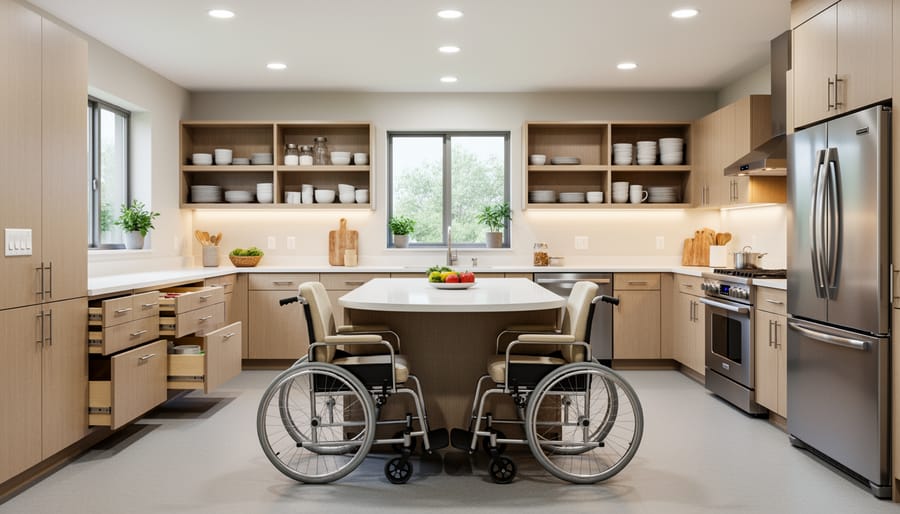
Planning a home that works for changing mobility needs. Look for a designer who brings accessibility know-how to the very first conversation. Think wider pathways, good lighting, reachable storage, comfortable seating heights, and slip-resistant finishes. A studio or virtual service that shows you the layout in a 3D rendering lets you test how a space flows before anything gets built or bought.
Tackling a full-home redesign. This is where a full-service studio or a structured virtual process shines. You’ll want a single cohesive plan, so rooms feel connected, and a clear scope so costs stay predictable.
If any of these scenarios sounds like you, A Design Difference’s personalized, virtual approach is built for them. You can explore our seamless design process to see how video consultations, design boards, and 3D renderings take you from an idea to a space you feel confident about. There’s no pressure, just a friendly way to see what’s possible for your home, whatever its size.
Mistakes to Avoid When Choosing Accessible Interior Design Help
Even thoughtful people trip over a few of the same things when they hire design help. None of these are failures, just easy-to-fix missteps.
Choosing by name or look alone. A polished portfolio or a familiar name like “z interiors” doesn’t tell you whether a designer understands your needs. Fix it: ask what they’d do for someone with your budget, your room, and the way you actually live.
Skipping the scope and budget talk. Vague conversations lead to surprise costs. Fix it: ask for a clear written scope, what’s included, and how pricing works before you commit.
Treating accessibility as an afterthought. Adding wider pathways or reachable storage later is harder than planning for them. Fix it: mention mobility, vision, and comfort needs in your very first conversation, even if they’re just “someday” needs.
Overlooking everyday comfort. A beautiful room can still frustrate you if the lighting is dim, the shelves are too high, or the chair is hard to get out of. Fix it: think through your daily routine in the space, from reaching for a mug to reading at night.
Buying furniture before planning the layout. That gorgeous sofa might block the one clear path through the room. Fix it: settle the floor plan first, then shop.
Assuming your project is too small. Plenty of people hold off on getting guidance because they’re only tackling one room, a corner, or a rental. Fix it: remember that small projects often benefit the most from a few expert decisions, and virtual design makes that help easy to reach without a big commitment.
Catching these early saves money, time, and second-guessing. A little planning up front is what turns a nice-looking space into one that truly works for you.
Common Questions About Z Interiors and Accessible Design
Choosing design help raises plenty of practical questions, and a few of them come up again and again. Here are straight answers to the most common ones.
Are all “z interiors” businesses the same company?
Not necessarily. Several unrelated businesses can use a similar name, so check the website, location, and services before you reach out. Confirm it’s the one you actually meant to find.
Can accessible design still look stylish?
Absolutely. Clear pathways, good lighting, and comfortable seating heights can sit right alongside a look you love. The best accessible spaces simply feel easy and beautiful at the same time.
Do I need a big budget to get started?
No. Many designers offer flat-fee or scoped packages, and small, smart changes like better lighting or a reworked layout can make a big difference. Ask for a clear scope up front so you know what you’re paying for.
Can I get help for just one room?
Yes, and that’s a great place to begin. A single room deserves the same thoughtful attention as a whole home, and it’s a low-pressure way to test how you like working with a designer.
How does virtual design work?
You typically share photos and measurements, chat with your designer over video, and review design boards or 3D renderings before buying anything. It’s convenient, renter-friendly, and easy to fit into a busy week.
If you’re still weighing your options, our guide to accessible interior design help walks through what to look for in more detail. And remember, there’s no such thing as a project that’s too small or a question that’s too basic. Ask away until you feel confident about your next step.
At the end of the day, the right choice isn’t about a name on a storefront. It’s the one that fits your space, your budget, and the way you actually live. Whether you land on a local showroom, a full-service studio, or a virtual designer, what matters most is that someone listens, explains the pricing clearly, and treats comfort and accessibility as part of the plan from the start.
Here’s the good news: thoughtful, personalized design is within reach for any project size. A single bedroom deserves the same care as a whole-home overhaul, and you don’t need a huge budget to get a space that feels good and works for everyone who uses it. If you’re curious how an online process can take you from blank to dream it’s worth a look.
Ready for a small first step? Jot down a simple wish list for one room, noting what you love, what frustrates you, and what you’d like to be easier. Then book a virtual consultation and bring that list along. You might be surprised how quickly a clear plan comes together.
Leave a Reply